
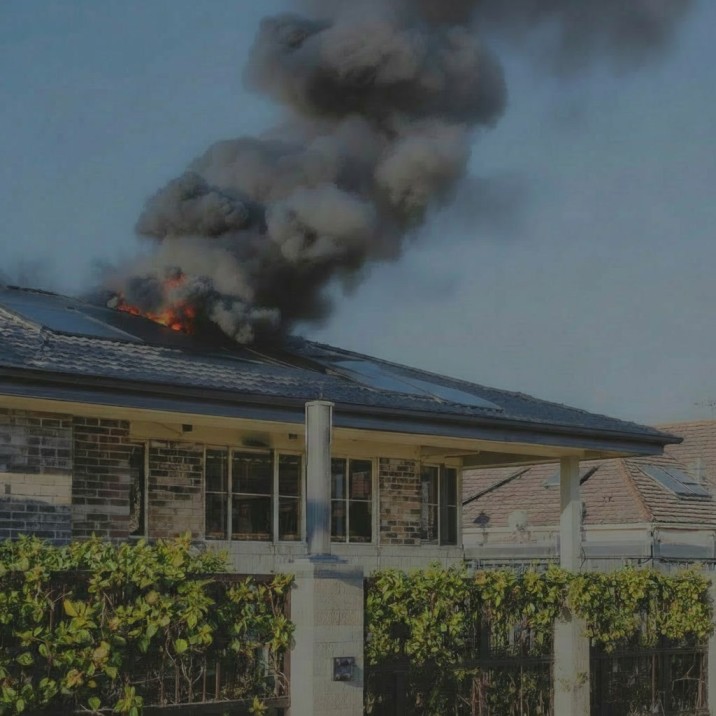
How long does fire restoration take in Sydney? Fire restoration typically requires 3 days for a kitchen fire or 6 months or longer for a large structural fire. The timeline depends on multiple factors. Including fire damage, the distance of the smoke, the soot, and the time it takes for restoration companies to start the job after the fire.
Knowing realistic timelines is useful for Sydney homeowners, tenants, property managers, and insurance assessors to plan and set expectations. This guide covers the complete timeline for the restoration process from emergency response and smoke cleaning to repair and final reinstatement. It also includes important factors that can speed up or delay the process.
The Short Answer — Fire Restoration Timeline by Severity
The fire restoration timeline in Sydney depends on the extent of the fire, the spread of smoke, water damage, and damage to the building. So, the short answer depends on the three factors below.
1: MINOR
A minor fire is typically a kitchen fire or a small electrical fire in one room. The typical recovery time for a minor fire is 3 to 7 days. It also involves soot and smoke removal, sanitising the surfaces, and neutralising odours.
2: MODERATE
A moderate fire involves several rooms and usually includes firefighting water damage. It typically takes 2 to 6 weeks to recover. The professional team conducts detailed cleaning of affected surfaces, contents, and air pathways throughout the property. It also includes structural drying, HEPA cleaning, soot removal, deodorization, and dusting.
3: MAJOR
The major fire has structural damage, roof involvement, or significant smoke damage in several areas. The recovery time for a major fire is 2 to 6 months. The process consists of debris removal, deep cleaning, smoke remediation, and restoration work. You can also read NSW guidance on fire safety before entering the property after a fire.
In addition, the Candid Cleaners handles the cleaning restoration process while licensed builders perform any necessary structural rebuilding.
What Actually Determines How Long Fire Restoration Takes
There are numerous factors affecting the fire restoration timeline. So, if you’re wondering how long does fire restoration takes, then it also depends on what happens inside the building after the fire has been put out.
1. Severity and spread of fire damage
A contained house fire typically has fewer cleanup and restoration requirements. However, a multiple-room fire produces more soot, smoke residue, and contaminated surfaces. Overall, the larger the affected areas, the longer the project schedules, and the more labour time will be required.
2. Depth of smoke penetration
Fire-generated smoke does not usually remain in the initial area of fire. It can pass through HVAC systems, wall cavities, roof spaces, and subfloors. Moreover, deep smoke penetration requires further inspection and cleaning, which increases the processing days.
3. Firefighting water damage
Large quantities of water are commonly used to extinguish a fire. Soot cleaning cannot start until the structure is dry. This step also helps to prevent mould growth and will add at least 3 to 5 more days.
4. Contents inventory and pack-out
Before the major cleaning, the team should document, sort, and remove the affected contents. It includes furniture, clothing, and household items that may need to be assessed individually. Also, larger pack-out projects take longer to restore and need more coordination.
5. Insurance approval speed
Emergency mitigation work can usually start immediately. But before the larger works, the insurer must approve the full scope of restoration. Smoke may escape further into older homes in Sydney’s inner suburbs fitted with cavity walls, which further increases the timeline than newer apartments.
Stage-by-Stage: What Happens During Fire Restoration
Fire damage restoration stages in Sydney are the process that begins with safety inspections to final clearance following IICRC standards. Each stage performs sequentially, but some overlap as a result of site conditions.
Stage 1 — Emergency assessment and property securing (Day 1)
Technicians board up broken windows, roofs, and doors. They conduct safety checks and air quality measurements to ensure safe conditions for entering the building.
Stage 2 — Contents inventory and pack-out (Days 1–3)
Teams take pictures of all damaged materials to document for insurance purposes. They store items to be taken to an off-site cleaning and removal service, facilitating quicker structural access and accelerating rebuild.
Stage 3 — Water extraction and structural drying (Days 1–5)
Technicians also remove standing water and operate equipment for structural drying in Sydney. For water damage restoration, technicians follow IICRC S500 standards and check moisture daily with the Tramex moisture meter.
Stage 4 — Soot and debris removal (Days 2–7)
The professional team completes HEPA vacuuming and dry chemical response cleaning across all surfaces. Soot removal Sydney follows IICRC S700 fire restoration standards for safe removal of soot from throughout the property.
Stage 5 — Smoke residue cleaning (Days 3–10)
Technicians clean walls, ceilings, and contents using appropriate wet cleaning methods. Smoke damage restoration in Sydney focuses on the removal of embedded residue and the restoration of the indoor air quality in rooms.
Stage 6 — Odour neutralisation (Days 5–14)
Professional teams also use hydroxyl generators, ozone treatment, or thermal fogging in Sydney.
It helps them perform odour decontamination after a fire in porous materials and HVAC systems within zones.
Stage 7 — ISO 9001 documentation and clearance (Final day)
Teams also create comprehensive reports, photographs, and moisture readings. They deliver clearance documents for insurers and confirm properties are ready to hand over to occupants and managers.
How Long Does Smoke and Soot Damage Take to Clean?
Soot is acidic, and it begins to corrode surfaces after just a few hours. The first 72 hours post-fire are critical and determine whether the smoke stains are permanent or not, and how long does the restoration will take.
It typically takes 1 to 3 days to clean hard surfaces such as tiles and metal. Carpet, furniture (upholstery), and plasterboard require a deeper treatment and may take 3 to 7 days, depending on the amount of saturation.
Additionally, specialist cleaning and deodorising for HVAC systems and ductwork typically takes 1 to 3 days more. Smoke odour is the last to neutralise, taking 5 to 14 days to become completely neutral. The overall smoke damage cleaning time will vary depending on when technicians begin the work after the fire is put out.
In most cases, how long it takes to clean smoke damage comes down to penetration depth, material type, and how fast restoration begins on-site.
Does Insurance Affect the Fire Restoration Timeline?
Yes, insurance is a key factor in the post-fire speed of work. The fire damage insurance claim in Sydney process can drive approvals, inspections, and final sign-off before restoration starts.
Most teams begin emergency stabilisation without approval. But extensive fire damage restoration requires the insurers to approve the full extent first. So, this is one of the primary holdups.
Candid Cleaner’s fire damage restoration Sydney includes ISO 9001 quality documentation, photographic evidence, scope of work, and clearance reports to support faster approval based on Australian insurers’ requirements. This also minimises back and forth in the claim process.
All in all, working with a certified company provides ISO 9001 documentation, which ensures quick approval. On the other hand, uncertified technicians are unable to provide complaint documentation. Insurers also process claims faster when evidence is clear, complete, and properly formatted.
Can You Speed Up Fire Restoration?
You can speed up fire restoration by taking action within hours instead of days. The first step is to call a professional early to prevent smoke and soot from setting and spreading.
Quickly sending the insurance documents is also effective for getting teams to work. When the property is empty, cleaning and drying can proceed uninterruptedly, which reduces the overall timeline.
In contrast, the DIY soot cleaning method takes a lot of time. Wet wiping can spread soot and leave a permanent stain. Opening windows can only aggravate the smell of smoke because it can pull the humidity into porous materials. Soot can also spread through the ductwork and contaminate rooms when HVAC systems are running.
Thus, prompt response and right action minimise delays and shorten the restoration timeline.
Frequently Asked Questions
Q1: How long does fire restoration take for a small kitchen fire?
A small kitchen fire usually takes three to seven days to restore if there is no structural damage. Usually, it includes same-day soot removal, smoke residue cleaning, odour neutralisation, and final clearance inspection. We also provide a clear timeline after the initial on-site assessment.
Q2: Can I live in my home during fire restoration?
After a small fire, you can remain in affected areas, but we rarely recommend staying in while the smoke has spread. Airborne soot particles can impact air quality and cause health risks throughout the house. In most cases where fire goes beyond the one room, we recommend that you stay in a temporary hotel until we can confirm the property is safe. Overall, our recommendation for staying depends on the cases after the initial assessment.
Q3: What is the difference between fire cleaning and fire restoration?
Fire cleaning involves the removal of soot, smoke residue, and odour from surfaces. Fire restoration is a larger process. It covers cleaning contents handling, drying where necessary, odour treatment, and insurance documentation. However, a structural rebuilding, replacing walls, roofing, or flooring, is not part of this stage. Generally, licensed builders perform after this restoration phase.
Q4: How long does smoke smell last after a fire?
Smoke odours can persist for months if not treated professionally, as particles become trapped in porous materials such as timber, fabric, and plasterboard. A professional team can eliminate the odour source using thermal fogging, hydroxyl generators, and ozone treatment. Also, it can typically take 5 to 14 days to completely neutralise it as part of the restoration process.
Q5: How does insurance affect how long fire restoration takes in Sydney?
The restoration process can sometimes slow down due to insurance approval. Emergency safety steps can begin first, but full restoration needs the insurer’s sign-off. Our Professionals provide ISO 9001 documentation, photos, and detailed scopes to minimise delays and ensure more predictable fire restoration timelines.
Q6: How long does fire restoration take in Sydney?
The average time for fire restoration in Sydney takes 3 to 7 days for a minor contained fire with no water. 2 to 6 weeks are required for moderate fire damage that involves firefighter water and multiple rooms. But for major fire damage that involves structural damage, 2 to 6 months are required for complete restoration. The cleaning phase also consists of soot removal, smoke residue cleaning, odour neutralisation, and ISO 9001 documentation. IICRCS 700 certified companies, like Candid Cleaners, manage this stage, while rebuilding is handled separately by licensed builders in NSW. Overall, the timeline length depends on how fast the professional restoration begins.
Q7: What are the stages of fire damage restoration?
The process of fire damage restoration in Sydney is systematic. It begins with the property assessment, securing the property, closed damage openings, and checking for structural damage. The second stage is content inventory, and pack out with detailed documentation, with photographs of every item. The third stage is water extraction and structural drying. If there is water, follow IICRC S500 standards. The next stage is using the IICRC S500 method for removing soot and debris. Lastly, the team conducts smoke residue cleaning, odour neutralisation, and final ISO 9001 reporting for insurance clearance and project completion.
Q8: Why does fire restoration take longer than expected?
Fire restoration in Sydney takes longer than expected for several reasons. Such as, if the smoke spreads into areas such as wall cavities, roof space, and ductwork. Firefighting water also adds 3-5 days more for structural drying time before cleaning can start. While emergency stabilisation is started early, insurance may take time before work commences on a full scope of work. Older NSW homes containing cavity walls also retain smoke to a greater depth, resulting in longer cleaning times and a longer-than-predicted fire restoration timeline.
Q9: Does fire restoration cover smoke smell removal in Sydney?
Yes, the smoke odour removal is the standard part of the fire restoration in Sydney. The surface cleaning method doesn’t work alone because smoke particles penetrate porous surfaces such as plasterboard, timber, and carpet. Depending on the site conditions, technicians use thermal forming, hydroxyl generators, or ozone treatments for professional odour neutralisation. Moreover, the IICRC S700 certified team will undertake odour neutralisation as part of their scope, and it will typically take 5 to 14 days in NSW properties, depending on the penetration depth.
Q10: How does the IICRC S700 standard affect fire restoration timelines?
Fire restoration in Sydney follows the IICRC S700 standards, which include fire damage assessment, soot removal, smoke cleaning, and odour treatment. It also includes a series of phases, such as verification and documentation, that can prolong some of the individual steps. But technicians need to ensure that restoration is complete, genuinely rather than superficial cleaning. However, it has the tendency to decrease overall delay as insurers in Australia have faith in S700 reports. This also increases the speed of approval reduce rework cycle, and enhances project efficiency for NSW fire restoration projects.
If you are in Sydney and need to know how quickly your specific fire damage can be restored, our IICRC S700-certified fire restoration Sydney team provides free same-day assessments with a realistic timeline and clear scope of work. [Book a free assessment →]
