
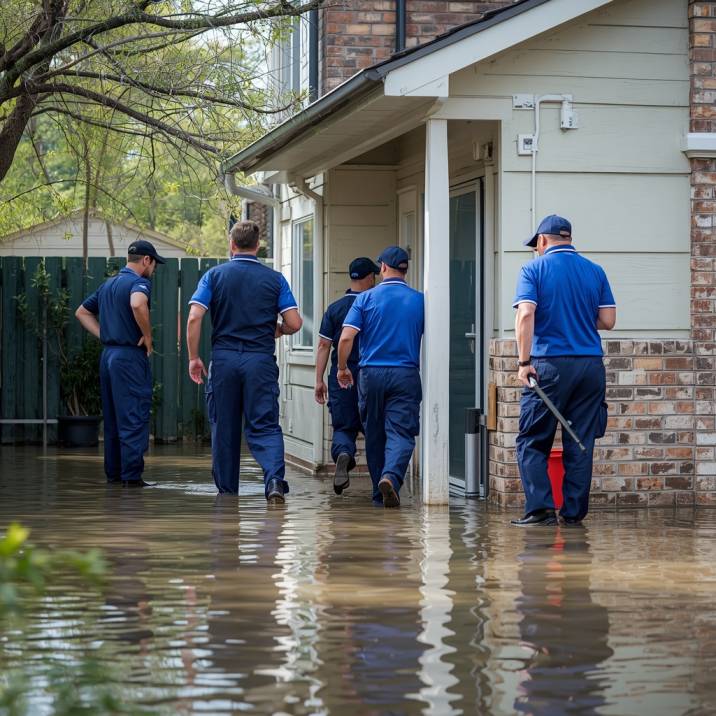
What works, what doesn’t, and the point where DIY becomes dangerous
Flooding can cause a lot of damage, but it’s important to know how to respond based on the level of water reaching inside your home. Knowing how to dry out a flooded house gives you an idea of the extent of the damage and helps you to save your property. If the flooding is limited to the hard surfaces, then DIY cleaning can help you dry the space.
But water inside walls, ceilings, insulation, and subfloor needs professional drying equipment. If left untreated, hidden moisture can cause mould formation and damage to the structure. So, a rapid response to water damage to your home in Sydney can prevent damage and save you from expensive repairs.
Before You Start – Flood Safety in a Sydney Home
Safety should be your top priority. Never proceed with drying or cleaning until you have assessed the risk. Electricity is one of the most serious hazards after a flood. Avoid entering flooded rooms with electric power on. If safe, isolate the power at the switchboard. If water has touched electrical outlets or wiring, you need to call a professional. Before entering flooded areas, review the electrical safety advice.
Examine the structure before entering. Do not enter any room with a sagging ceiling, soft floor, or bulging walls. These can be symptoms of more serious structural damage. A damaged structure can fail without warning.
If flood water contains sewage or comes from external flooding treated as category 3 water. Avoid touching and try to clean up. Instead, you can evacuate the area and schedule professional cleanup.
You can also contact NSW SES on 132 500 for flood-related emergency assistance. Overall, with these flood safety homes in Sydney, you can avoid further loss and injury.
How You Can Dry Yourself and What Requires Professional Equipment
After a flood, it’s important to distinguish surface moisture from subsurface water to make the right decision. The important part in DIY flood drying cleaning vs professional assistance is where the water has gone.
CAN DIY
Usually, you can clean surface water on vinyl, tiles, and sealed timber floors. Drying is also possible for small rugs if you act promptly. Similarly, if painted walls have surface dampness, air circulation and ventilation will help you to dry them. These scenarios involve moisture that is visible and easy to reach.
CANNOT DIY
It’s impossible to dry water that gets stuck in wall cavities, particularly behind soft drywalls. Water under timber flooring will also need specialised drying equipment. Wet carpet with a suit underlay and subfloor requires professional extraction and drying. Also, if there are water stains, bubbling paint, or sagging plaster on the ceiling, there must be hidden water that needs expert attention.
Moreover, a burst pipe in a flooded house can cause both visible and hidden water damage. You also need professional help for drying when moisture has reached structural materials. A DIY cleanup is only possible for surface water, not for structural penetration.
Step-by-Step: How to Dry Out a Flooded House
Explore how to dry out flooded houses, steps after water damage. Each step helps you get safe results. Flooded house drying time will vary based on the depth of the water and the speed of response. Follow all the steps in a methodical order to avoid hidden moisture spread.
Step 1 – Remove standing water
Use a wet and dry vacuum to remove water from hard surfaces. Avoid using a household vacuum. Fill the tank slowly, then drain it frequently. You should also inspect corners and edges where flood water has accumulated.
Step 2 – Remove saturated materials
Remove rugs and put them outside to dry. Clean cushion and soft furniture covers. Acting quickly helps you avoid the risk of mould. However, for severe carpet issues, local wet carpet drying Sydney services might be necessary.
Step 3 – Ventilate
Open windows when outside air is drier than inside air. Position fans to move the air out of the room rather than around the room. As a result, it helps the moisture to escape from the area.
Step 4 – Dehumidify
Put a household dehumidifier in the middle of the room. Close doors for focus on drying. Drain the tank frequently to ensure performance.
Step 5 – Monitor daily
Apply pressure on walls and floors to check for soft spots every day. Check for musty odour, which indicates concealed moisture.
The 48-Hour Mould Risk – What Happens If Drying Is Incomplete
The risk of mould starts to increase within 24 to 48 hours of flooding. The mould after flooding in Sydney develops due to humid coastal areas and warm interior environments. Small moist places can promote growth when the drying process slows down. The mould typically begins behind walls, under floors, carpet underlay, and where air circulates.
These symptoms of inadequate drying include a lingering musty odour, soft drywall, paint discoloration, and condensation on windows and walls. Ultimately, they’re indicating trapped moisture.
DIY methods can’t verify internal dryness. A moisture meter is needed to determine if structural materials are at safe levels. Because you cannot assess it visually or by touch. Hidden moisture often remains even when surfaces feel dry.
Get more details on mould remediation after incomplete drying for deeper issues.
When You Need Professional Structural Drying
When water penetrates the building material, professional structural drying in Sydney becomes necessary using specialist equipment and controlled drying. Also, if you notice water under timber, behind walls, or in ceiling areas, call professionals. Moreover, respond quickly in cases of category 2 or 3 contamination, strata flooding, and cases that require drying records for insurance.
Moisture mapping in Sydney enables technicians to monitor moisture within the materials and locate hidden sources of moisture. They also have Tramex moisture meters, commercial air movers, and industrial dehumidifiers to verify drying. Moreover, professionals follow IICRC S500 drying standards for the safe and complete drying of structural damage. They follow the major drying objectives to record each drying phase.
Professional water damage restoration Sydney services also regulate humidity levels over vast impacted areas and give quick results.
If you have odour issues, see our water damage odour decontamination.
Equipment Guide – Buy vs Hire vs Professional Only
Select equipment based on water depth and materials affected.
Buy
Surface water and hard floors with mop buckets and a wet-dry vacuum. This is appropriate for light clean-up after minor floods. Flood drying equipment in Sydney is used when the damage is limited or contained.
Hire
You can use a household dehumidifier for surface dampness in rooms. Household dehumidifier flood drying helps to control humidity during the early stages of drying.
Professional only
Commercial air movers, industrial dehumidifiers, thermal imaging cameras, and calibrated moisture meters help you to manage structural moisture.
Home insurance may also cover equipment hire as part of a professional restoration job.
Frequently Asked Questions
Q1: How long does it take to dry out a flooded house in Sydney?
When a house is well ventilated with a dehumidifier running, the surface drying will take 1 to 3 days. Water sits on the walls, floor, and ceiling, almost takes 3 to 7 days to dry a structure and achieve the IICRC S500 goals. Another important factor is how fast the professional process begins. Every hour of delay not only increases the water penetration depth but also the drying time.
Q2: Can I use household fans to dry a flooded room?
Fans can only be used for surface drying of hard floors. They evaporate surface moisture when the outside air is drier than the inside. Humid conditions in Sydney, particularly in summer or after rain, make fans the only way to trap more humidity and slow down the drying process. Fans can move the air but cannot remove moisture from structural materials. But dehumidifiers can lower the moisture content of the building materials within walls, floors, etc.
Q3: Should I remove wet carpet after flooding?
Yes, you can remove wet carpet and underlay promptly after flooding. The carpet holds moisture right up against the subfloor and creates a greater mould hazard. If cleaned within 24 to 48 hours, category 1 water damage can be salvaged. But contaminated water from sewage or storms requires full disposal for health and safety reasons.
Q4: How do I know if there is hidden water damage in my walls after flooding?
Look for soft drywall, paint bubbles, smelly walls, wall condensation, and wall discolouration. These symptoms can indicate excess moisture. Surface drying can also hide hidden problems. Thus, a calibrated moisture meter is important to provide accurate moisture readings, which professionals use during inspection. It’s also standard equipment that professional restorers use, which can’t be replicated with consumer devices.
Q5: Is it safe to use a generator to power drying equipment after flooding?
You can only use generators in outdoor spaces far away from doorways and windows. Carbon monoxide accumulates rapidly in a closed area and is a potentially fatal gas. However, avoid running generators in the garage or laundry. For deeper flooding issues, we recommend professional drying setups because they are safer and more effective.
Q6: What is the most effective way to dry out a flooded house in Sydney?
The best approach against how to dry out a flooded house depends on the extent of water spread. For surface water removal, using a wet-dry vacuum, mops, and an airflow-assisted home dehumidifier in a ventilated room will help. However, professional structural drying is needed when water gets inside the walls, floors, or ceilings. It includes industrial air movers, dehumidifiers, and moisture readings following IICRC S500 standards, guaranteeing complete drying. In humid coastal environments, dehumidification is essential because ventilation alone is insufficient, particularly during the summer.
Q7: What household equipment can you use to dry a flooded house?
In Sydney, NSW, you can use simple flooding equipment. A wet and dry vacuum sucks up standing water on hard floors. Mops and towels can also handle surface moisture. A household dehumidifier helps to reduce damp air in closed areas. Fans can also help a lot when the outdoor air is drier than indoors. But remember, these tools are only effective for surface moisture on non-porous floors. For water inside ceilings, walls, and subfloors, you need professional drawing equipment that produces greater air movement and helps in moisture extraction.
Q8: How does Sydney’s climate affect flood drying times?
Sydney’s subtropical coastal humid environments make flood recovery difficult, particularly in the summer and autumn. The more moist the air, the less moisture evaporates from wet materials. Moreover, in Sydney’s Eastern Suburbs, Northern Beaches, and Inner West, the humidity level is over 70-80%, which reduces the effectiveness of fans. Hence, we believe that industrial dehumidifiers are important because they humidify the indoors even when there is moisture in the air outside.
Q9: What are the risks of incomplete drying after a flood?
Incomplete drying in the Sydney NSW region raises the risk of mould growth within 24 to 48 hours, which requires separate IICRC S520 certified remediation. Secondly, structural damage can harm timber, plasterboard, and insulation, which can warp or decay if they remain wet for 5-7 days, requiring replacement rather than drying. Moreover, insurance complications are another risk if moisture readings are not recorded. All in all, professional drying reduces these risks and verifies safe moisture levels.
Q10: When should Sydney homeowners call a professional water damage restorer after flooding?
Call an expert in Sydney, NSW, when water reaches walls, ceilings, or subfloors contaminated. We also recommend taking action if there is a musty smell develop after 48 hours of drying attempt, if the problem extends beyond one room, or if the insurance claim is being made. Professionals also follow moisture mapping, structural drying systems, and IICRC S500 documentation to ensure complete drying and support in insurance claims.
If water has reached your walls, floors, or ceiling, our IICRC S500-certified structural drying team can assess and treat the damage with professional equipment. For water damage restoration in Sydney, we provide a same-day response across the state. [Book a free assessment →]
