
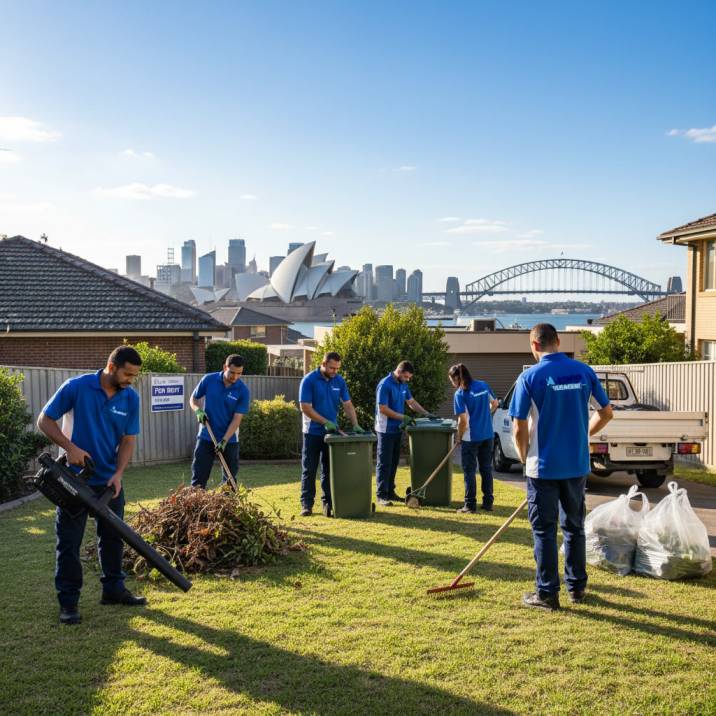
The outdoor areas most agents inspect, what fair wear and tear means in a garden, and the yard tasks that cost tenants the most of their bond
Most Sydney tenants spend hours cleaning the oven and bathroom before leaving. However, leave the yard for the last hour. One of the most common bond disputes that arise at NCAT is the end of lease yard clean up. There are specific checks on outdoor spaces, gardens, lawns, courtyards, and parts that frequently result in expensive deductions at NSW bond hearings. This guide covers each area that outdoor agents will look at and fair wear and tear. It also explains what is legally required to do and what’s not necessary.
What NSW Law Requires for Outdoor Areas at End of Lease
Knowing your end of lease outdoor requirements in NSW can save you from unnecessary bond deductions. The NSW Residential Tenancies Act 2010 and NSW Fair Trading require tenants to return a rental property in a reasonably clean condition. It means in the same condition as the property was at the start of your tenancy, except for fair wear and tear. These end of lease cleaning requirements in NSW apply to outdoor areas, not limited to the interior. Your end of lease cleaning checklist should also include both inside and outside cleaning as well as end of lease carpet cleaning in NSW if necessary, as per your lease.
Depending on the maintenance needs, fair wear and tear might include thinning from age on the lawn, natural tree growth, falling leaves, or seasonal plant loss in droughts. However, mowing overgrown lawns, removing weeds, keeping garden beds in order, clearing rubbish, and cleaning outdoor hard surfaces are still your responsibilities. Overall, the lease agreement and entry condition report are a reference, not the standard of a perfect garden.
The Complete End of Lease Yard Clean Up Checklist
You can use the following end of lease yard clean up checklist before the final inspection. It helps you to ensure all outdoor areas comply with your lease requirements.
Lawn and Grass
- Mow to a tidy, even height. Match the height shown in the entry condition report if available.
- Trim grass near garden areas, walkways, and walls.
- Remove all the lawn clippings on the property.
- Treat visible weed patches in the lawn.
- Water the lawn the day before inspection so it does not look brown or stressed. This can improve the presentation, but it does not fix a dying lawn.
Note: Keep in mind that lawn thinning due to wear and age is considered fair wear and tear, not your responsibility.
Garden Beds and Planting Areas
- Clear all the weeds, including the roots.
- Trim and shape the garden borders.
- Clean up plant debris, dead leaves, and fallen branches, which accumulate over the course of your tenancy.
- Replace plants only due to non-natural causes, not due to neglect.
- Removing limbs from large established trees is only required if it is specified in the lease. If they’re natural in size and shape, they are normally accepted as fair wear and tear.
- Rake or sweep mulch back into the garden if it’s on the sidewalk or patios.
Hedges and Shrubs
- Mow back lawn hedges to a neat shape.
- Clear all hedge waste from site.
- Keep small hedges as a tenancy obligation.
- Leaving maintenance on large established trees is the landlord’s responsibility unless specified in the lease.
- Review entry condition report and restore hedges to the same shape as they were when you moved in.
Hard Surfaces – Paths, Driveways, Patios and Decking
- Sweep all paths, driveways, patios, and paved areas.
- Clear away leaves, dirt, and plant debris.
- Use a commercial degreaser to remove oil and grease stains from the driveway.
- Clean patios and decking. If surfaces are very dirty or stained, use a high-pressure cleaner.
- Clear cobwebs from eaves, pergolas, and outdoor light fittings.
- Clean any outdoor furniture if they’re included in the part of your tenancy.
Fences and Gates
- Clear away surplus cobwebs near fences and gates.
- Test for proper gate opening, closing, and latching.
- Communicate any issues with your property manager before leaving.
Garage and Outdoor Storage
- Take out all the personal belongings and trash.
- Clean up the garage floor well.
- Clean oil or grease stains on concrete surfaces.
- Wipe down both sides of the garage door, the rails, and the roller mechanism.
- Clean storage areas and stationary shelving if furnished.
Pool and Spa
- Ensure clean water and correct water level.
- Wash filter and skimmer basket.
- Wash pool surrounds and pick up leaves, dirt, and stains.
- Get a pool test report from a licensed pool tester that records water chemistry. NSW Fair Trading recommends this evidence can be useful in protecting your bond.
- Ensure all pool equipment is functioning properly and notify the owner in writing of any pre-existing defects.
What Agents Actually Check Outside – The Inspector’s Perspective
What agents check yard end of lease inspection is the question that might confuse you during the final inspection. Let’s break this confusion. Property managers make comparisons to the entry condition report and pictures. This record is the legal benchmark, not personal views on garden designs. The following are the top 5 outdoor fail points.
- Overgrown lawns are the most common failures.
- Inspectors also look at the weeds in garden beds.
- Oil stains on driveways and dirty paths raise concerns.
- Tenants also forgot to remove cobwebs on eaves and pergolas.
- The last point that triggers a deduction is oil stains on concrete garage floors.
Note: Clean your yard as close to the inspection date as possible. Since Sydney’s lawns and weeds can grow again within 5-7 days. Many tenants also use Fox Mowing NSW garden cleanup guidance to manage outdoor responsibilities that inspectors pay close attention to. However, a yard clean before 2 weeks of the inspection usually needs a second attempt.
The Timing Problem – Why the Yard Needs to Be Done Last
Cleaning at the correct timing end of lease yard clean up Sydney can help you avoid dealing with bond deductions. Grass and weeds grow rapidly in Sydney’s warm spring and summer. A lawn trimmed 2 weeks before the final inspection can grow 5-7 cm more until the time of inspection. If your inspection is in spring or summer, inspect your garden again on inspection morning for a quick mow or weed removal. In autumn or winter, clean your yard 3-4 days before the final inspection as these seasons have slower growth.
Fair Wear and Tear Outdoors – What You Are NOT Responsible For
Tenants often lose the portion of their bond because they don’t realise that normal aging is not tenant damage. Fair wear and tear garden end of lease NSW acknowledges that outdoor space evolves with time. A long lease can cause a lawn to become thinner, and established plants or shrubs can become larger with no attention. These changes are generally not your responsibility. If plants die during a declared drought or extreme need event, they may need to be assessed on an individual basis.
Also, if the lease requires watering but water restrictions prevent it, you can document this to the property manager. Keep removing leaves during your stay, but you’re not responsible for the new leaves that fall after you have left. The landlord is typically responsible for tree pruning and dead tree removal unless otherwise specified in the lease agreement. If in doubt, take photos of any changes to the natural features and document them in your final condition report before the final inspection.
DIY vs Professional Yard Cleanup – How to Decide
Choose the option that corresponds to the condition of your property and the time you have before moving out. For large gardens, tall hedges requiring special equipment, overgrown council beans, tight inspection deadlines, and when you cannot complete the work safely, a professional end of lease yard clean up Sydney may be worthwhile.
DIY will typically work for smaller and clean gardens. Also, if you have proper equipment, including a mower, edger, and blower, and enough time. Comparing the end of lease cleaning cost in Sydney with the risk of bond deductions can also help you decide the best option. You can book professional end of lease cleaning in Sydney at Candid Cleaners, as we include outdoor areas as part of our complete service.
Conclusion
Complete end of lease yard clean up can be the deciding factor whether you get your full bond refund or unexpected deductions. Concentrate on the areas that property managers review most frequently. Clean the yard near the inspection date and follow the entry report condition as a guide. When the garden is large, or you have tight deadlines, hiring a professional is better to save time and reduce stress. Whether you choose to DIY or professional services provider like Candid Cleaners, keeping your outdoor space tidy and well maintained will deliver a smooth final inspection without bond deductions.
Frequently Asked Questions
01. What does end of lease yard clean up include in NSW?
Typical end of lease clean up in NSW involves mowing and edging the lawn, weeding lawns and garden beds, trimming hedges and shrubs, collecting green waste and garden debris. It also includes sweeping or pressure washing paths, driveways and paved surfaces, cleaning the garage floor, and returning any pool or spa to the condition as verified in the entry condition report (includes obtaining pool test report).
02. Am I responsible for plants that died during my tenancy?
This will depend on the cause of plant death. If plants are lost due to poor watering, lack of maintenance, etc., they are typically the tenant’s responsibility. If plants have been damaged by drought, heat, or another natural event, they can be considered fair wear and tear. The entry condition reports, photos, and the lease maintenance obligations are the clear reference point, not the standard of perfection.
03. How long before the inspection should I do the yard clean up?
Finish yard clean 1 to 2 days before inspection. In spring and summer in Sydney, lawns grow 5-7 cm in a week, and weeds grow back rapidly. However, a garden clean 2 weeks before the final inspection often requires a second pass. Slower growth typically means three to four days of work will be enough during the autumn and winter months.
04. Do I need to clean the garage at the end of the lease?
Yes. The garage is part of the final inspection. Clear all personal belongings and garbage, sweep the floor, and clean any oil or grease spills with a commercial degreaser. Also, wipe both the inside and outside of the garage door, rail mechanism, and fix permanent shelving. One of the most frequent issues with bonds is oil stains.
05. Who is responsible for tree maintenance at the end of a lease in NSW?
Large tree maintenance, such as pruning major limbs and removing dead trees or trees of substantial size, is typically the responsibility of the landlord unless otherwise specified in the lease. Small hedges and shrubs are usually the responsibility of a tenant. If in doubt, review your lease and entry condition report. You can raise any concerns related to large tree maintenance to your property manager in writing.
06. What does end of lease yard clean up involve in Sydney?
End of lease clean up includes the return of all outdoor areas to the recorded condition at the beginning of the lease with fair wear and tear. This typically involves mowing, edging, and weeding the lawn, tending to garden beds, pruning hedges, collecting green waste and debris, sweeping up paths, driveways, patios, and garages, and removing oil stains. Pools or spas, if present, should also be clean, properly maintained, and have a current pool test report. Finish the work 1 to 2 days before the final inspection, as hot weather in Sydney leads to fast grass and weed growth.
07. What are tenants responsible for in the garden at the end of lease in NSW?
According to the NSW Residential Tenancies Act 2010, it is the tenant’s responsibility to return the outdoor space in a reasonably clean condition, except for fair wear and tear, consistent with the entry condition report. This involves maintaining grass heights, pulling weeds from garden areas, clearing garden waste and garden rubbish, and cleaning hard surfaces (paths, patios, driveways, etc.). Typically, the owner is responsible for large tree maintenance, dead trees as established trees, and some plant loss due to drought, unless the lease specifies otherwise.
08. How does fair wear and tear apply to gardens and yards in NSW?
Fair wear and tear means the same to gardens and yards as it does to the inside of a rental. Depending on the terms of the lease, not all lawn thinning, as it occurs naturally after a long lease, counts as fair wear and tear. Similarly, the growth of established shrubs and plants due to drought or extreme heat is not the tenant’s responsibility. Plants die from a declared drought, extreme heat, or a cause beyond the tenant’s control may also be considered fair wear and tear depending on the lease maintenance obligation. However, overgrown weeds, neglected lawns, and garden debris that accumulate due to a lack of maintenance are clearly the responsibility of the tenant.
09. Why do outdoor areas cause so many bond disputes in NSW?
Outdoor spaces are often the cause of bond disputes at the NCAT. This is because many tenants concentrate on indoor cleaning and forget about the garden until the last minute. According to NSW Fair Trading, 78% of bond disputes are due to incompleteness, and outdoor areas are always a top category of dispute. Other common issues found during the final inspection include overgrown lawns, weeds, dirty driveways, oil-stained garage floors, cobwebs on eaves and pergolas, and improperly maintained pools or spas.
10. Should I hire a professional for end of lease garden cleanup in Sydney?
Hiring a professional end of lease garden clean-up is recommended for large gardens, overgrown lawns, tall hedges that need a special machine, or for gardens that generate more green waste than the council can collect. It’s also helpful when the inspection date is near, or you don’t have the time to do a thorough DIY clean-up. The average price of professional garden clean-up in Sydney is $200 – $600 or higher, depending on the size of the property and the amount of work required. A professional clean-up will not only get you indoor and outdoor cleaning but also a bond-back guarantee, which provides certainty of the inspection results.
Need a complete end of lease clean up in Sydney, inside and out? Our team covers both the interior and outdoor areas to a bond-back-guaranteed standard. [Get a free quote →]
