
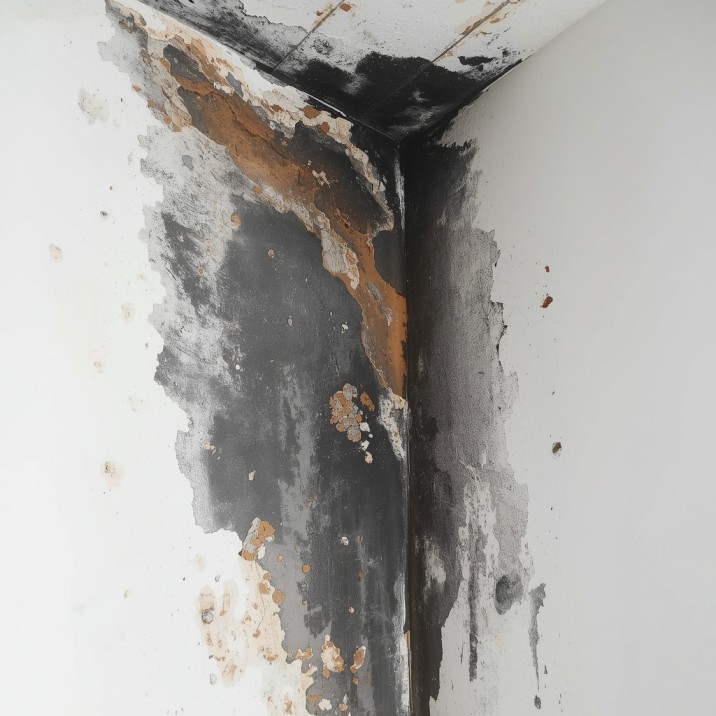
The honest guide to black mould Removal in Sydney homes. Health risks, removal options, and when to walk away and call an expert
Black mould can lead to serious health issues such as breathing problems, allergies, and a chronic cough. Not all black coloured stains are Stachybotrys, known as black mould, which often makes you panic. However, address any visible mould quickly, as spores can spread quickly in a property that has moisture. Delays will affect the walls, ceiling, carpets, and indoor air quality. Many people attempt black mould removal with bleaching or supermarket cleaners due to the easy appearance of the issue on the surface. Some spores may be cleared up with general cleaning, but it cannot work on larger infestations that often hide behind the flooring, the ventilating system, or the plaster. If mould is disturbed without proper containment, it can release more spores into the air and put your health at risk. Hence, it’s important to determine if the DIY removal is really safe or if you need professional help.
What is Black Mould? — Stachybotrys vs Other Dark Moulds
Many Australians believe that all mould is toxic black mould, which is not the truth. The mould found within homes is typically a common mould, such as Cladosporium or Alternaria. Even though these moulds can’t cause strong intoxicating odours or respiratory irritation, it’s important not to ignore them, as they can trigger allergies. However, they are not the same as toxic mould species associated with alarming media reports on Stachybotrys chartarum exposure. When people search for Stachybotrys black mould Australia, they often expect that all black stains match the description, leading to unnecessary panic.
True Stachybotrys typically grows dark greenish black, having a slimy or wet texture, not powdery. Musty odour from black mould, which normally develops on cellulose material such as drywall, cardboard, wood, or insulation after long periods of water damage. Appearance is not an accurate way to identify the species of mould. Professional laboratory testing is the only way to accurately determine if there is actually Stachybotrys.
How Dangerous is Black Mould to Health?
Concerns about black mould health risk in Australia are growing. As many people believe that they have to bear with severe sickness due to black mould health effects. In certain environments, mycotoxins have been associated with respiratory irritation, headaches, fatigue, coughing, and allergic symptoms from Stachybotrys or toxic black mould in Australia. But the exposure to small amounts of mould in the home is far less dangerous than media reports suggest. Mostly healthy adults only have short-term health effects.
Some people are more vulnerable to the effects of indoor mould exposure. Airborne spores and wet, damp indoor conditions can cause a more intense reaction in infants, elderly people with weakened immune systems, and people with asthma or COPD. These individuals might experience chronic symptoms as a result of the continued mould growth.
Health Authorities in Australia, including NSW Health, focus less on identifying the exact mould species and more on removing indoor mould quickly and safely. This approach makes sense, as any type of mould indicates too much moisture and a lack of good indoor conditions. Overall, don’t avoid any visible mould growth or continuous dampness inside your property, but don’t panic over every dark stain.
Can You Remove Black Mould Yourself? — When DIY is Acceptable
The DIY black mould removal safe practices need to determine the size, surface type, and health risk associated with mould. DIY remedies are useful for small stains on hard surfaces. Like black mould in the bathroom, Sydney. However, if there is significant mould growth or if it is hidden, leave it for experts.
The 1m² rule
The 1m² DIY threshold is a standard safety rule in Australia to determine the limits of DIY. For non-porous surfaces such as tiles and glass, where mould does not extend beyond one square metre, DIY is a go-to approach. However, a larger area than 1m² means more spores, which hold greater risks.
P2 respirator
You need a P2 respirator because dust is composed of small airborne spores. A simple dust mask is not sufficient to protect from inhalation while cleaning.
Never dry brush or vacuum without HEPA filter
Dry brush spreads spores into the air and increases the level of contamination. Without a HEPA filter, a vacuum can also spread mould rather than trap it.
Containment
Close the room cover gap and open the windows to direct airflow away from the room. This decreases the risk of spreading to other clean areas of the house.
Procedure
First, use a HEPA vacuum, then apply a bleach solution and clean in one direction. Place all waste in bags and take it away from home.
Who should NOT attempt DIY
People with asthma, allergies, and those with poor immunity should not do DIY cleaning. Even elderly people and pregnant women avoid mould removal and seek professional help instead.
When Black Mould Requires Professional Remediation — Non-Negotiable Cases
Professional black mould removal in Sydney becomes a necessity when mould grows beyond the DIY safe limit or enters into hidden building systems. These situations require specialist equipment and containment to prevent spread.
- 1m² surface area → Higher spore production when cleaning and maybe deeper moisture issues, which DIY cannot fully address safely.
- Mould on HVAC or duct → It means that mould is spread throughout your property, which makes it pointless to simply clean the surface, and it’s also unsafe.
- Flood or water damage → Black mould after water damage or mould after flooding in Sydney often develops behind walls and beneath the floors, which you cannot access or clean completely.
- Wall cavities or subfloor → Black mould in walls contains moisture and allows it to spread unseen. Only experienced professionals with specific tools and experience can treat it.
- Health symptoms in occupants → Continuous coughing, allergies, and breathing problems indicate the presence of active airborne contamination and require controlled removal.
- Recurrence within 4 weeks → Quick recurrence suggests that moisture issues are not resolved yet, and you need IICRC S520-certified black mould remediation in Sydney.
- Suspected Stachybotrys → Potential toxic mould requires laboratory confirmation and containment of removal to minimise exposure risk.
- Rental property clearance → To comply with safety and compliance, landlords may require documented professional black mould removal remediation before reoccupation.
What Professional Black Mould Remediation in Sydney Involves
Professionals like Candid Cleaners follow the IICRC S520 black mould remediation Sydney standards to ensure safe and controlled removal of contamination in homes and buildings. The object of the process is to contain, remove, and verify clearance before reoccupation.
IICRC S520 protocol
The IICRC S520 certified Sydney protocols control all the remediation actions taken for black mould treatment. It established guidelines for mould inspection in Sydney while providing safe containment and removal procedures to minimise the risk of exposure and guarantee uniform results.
Containment and negative air pressure (HEPA)
Teams enclose affected areas with barriers and use HEPA filter negative air machines. This will prevent the airborne spores from contaminating clean areas of the home during remediation.
Physical removal of contaminated materials
Technicians also remove damaged materials following AS1668 disposal guidelines for safe disposal of waste. Sealing and removal of contaminated materials help to prevent further spread.
Antimicrobial treatment
Professional teams use commercial-grade antimicrobial solutions on surfaces after removal. It helps to reduce the remaining spores and risk of regrowth.
Clearance testing
Air and surface testing confirm successful remediation. Professionals also provide a written mould clearance certificate in Sydney, required for insurance, real estate, and tenancy purposes, which DY cleaning cannot provide.
How to Prevent Black Mould Returning After Treatment
To prevent black mould in Sydney, you need to identify and fix the source of moisture. However, without controlling dampness, no treatment will last longer. Examine for leaks, rising dampness, or poor drainage and fix them promptly.
Use exhaust fans in bathrooms, kitchens, and the laundry areas, and open windows if possible for better ventilation. You can also use a dehumidifier to regulate regular indoor humidity, particularly in coastal areas. Apply anti-mould paint to previously infested walls to help to prevent regrowth. Moreover, pay attention to warm and moist locations that remain moist for extended durations. Annual inspections for initial signs in high-risk areas, such as behind furniture, subfloors, and bathrooms, help to prevent the spread.
Frequently Asked Questions
Q1: Is black mould in my Sydney home dangerous?
Not every mould that is dark in colour is Stachybotrys, the type of toxic mould you often worry about. Cladosporium or Alternaria are mostly found in most homes in Sydney, and both are less toxic but still need to be removed. You need to take indoor mould seriously because people with asthma, allergies, and weakened immune systems may react adversely and should not be present while cleaning up the mould.
Q2: Can I remove black mould myself with bleach?
Yes, you can safely clean small areas up to 1m² on porous surfaces with diluted bleach (1:10) and appropriate P2 masks and gloves to protect eyes. But never use a dry brush on mould as it can spread spores in the air. But avoid DIY when the area is larger than 1m², as it impacts your health. So, you must call the professional immediately for significant issues.
Q3: How do I know if black mould is Stachybotrys?
Stachybotrys is typically dark greenish black, slimy, and has a strong musty odour instead of powdery. It is usually found growing on wet drywall or cardboard after extended moisture exposure. But visual appearance cannot confirm the species. Lab testing only gives an accurate result, so you should not disturb the suspicious mould and get help from IICRC S520 mould inspectors.
Q4: Do I need a professional clearance certificate after black mould removal?
A clearance certificate from an IICRC S520 certified company is necessary when renting, selling property, or claiming insurance where health symptoms are reported. Whereas DIY work cannot provide this documentation. Thus, a certified report confirms safe mould levels after professional remediation, which property managers and insurance often require.
Q5: How long does black mould removal take professionally?
Professional removal could take a few hours for a small area or several days for a large area of contamination. Also, the IICRC S520 procedure is required for clearance testing before the job is officially signed off. The timeline is based on the extent of the damage, the material removal or replacement needed, and testing results.
Q6: Is black mould in Australian homes as dangerous as the media reports suggest?
The media overhypes the risk of black mould. True toxic black mould causes serious health issues, but you rarely see it compared to common household moulds like Cladosporium or Alternaria. They are more irritants than toxins. Despite this, you still need to remove indoor mould as it may impact the air quality and cause respiratory symptoms, according to NSW Health advice.
Q7: When is DIY black mould removal not safe in Sydney?
If mould has grown on a porous material and has an area larger than one square meter, don’t bother to do DIY for removing black mould. Also, take a step back when it’s behind walls in the HVAC system or has appeared after water damage and flooding. When a household member has health symptoms, a clearance certificate is required, and professional help becomes necessary for insurance and tenancy purposes. For these situations, IICRC S520 certified professional mould remediation is the most appropriate solution.
Q8: What does IICRC S520-certified black mould remediation involve in Sydney?
IICRC S520 is a certified step-by-step mould remediation process. It begins with the detection of moisture to identify contamination using thermal imaging and tools. Then it moves to establish containment barriers with a HEPA filter using negative air systems. It also includes physical removal of materials following ISO 14001 for proper disposal. Afterwards, professionals use antimicrobial treatments and conduct a clearance test to verify that the space meets post-remediation standards with a written report, necessary for insurance claims, property managers, and real estate agents.
Q9: How do Sydney landlords and property managers handle black mould complaints from tenants?
Under the NSW Residential Tenancies Act, landlords must keep rental properties in a reasonable condition and take quick action when ventilation problems or leaks cause black mould growth. The best approach is for property managers to arrange an IICRC S520 inspection to assess the extent of contamination through professional remediation and a clearance certificate. It not only helps the landlord to protect from ongoing liability but also the tenant from continuous exposure.
Q10: What is the cost of professional black mould removal in Sydney?
The cost will depend on the extent of mould growth, the type of materials, and whether the structure needs removal. Small jobs will cost a few hundred dollars, and large structural remediation will cost above this range. We always suggest an on-site inspection first, as IICRC S520 certified companies give clear, on-site itemised quotes before they begin any work to avoid unexpected costs.
Conclusion
All in all, removing black mould is not just about clearing up the visible stains, but it’s about solving the moisture issues. You can handle small patches with DIY, but more extensive or frequent growth indicates a more serious problem with the property. However, professionals should inspect the property to ensure safe, long-term results, properly assess the damage, and prevent further spread. Professionals will provide comprehensive treatment and minimise the health risk associated with continued exposure to mould.
If you have come across black mould removal Sydney issues in your property, the safest way to address them is to go with a professional inspection. Our IICRC S520-certified team inspects the level of contamination and provides safe black mould remediation in Sydney. Call 1800 974 994 for help today. We provide clear advice, free inspections, and quotations with no obligation.
