
If your food business in Sydney operates with a commercial kitchen, commercial grease trap cleaning is not optional but a regulatory requirement. The Sydney Water policy for Trade Wastewater requires businesses that produce fats, oils, and grease to install and regularly empty grease traps. Penalties for non-compliance and missing schedules result in fines up to $11,000 and a formal warning letter from the water authority for a pump-out schedule. This guide covers what grease trap cleaning is, legal requirements, and how the pump-out process works. It will also explore typical Sydney costs in 2026, recommended service frequency, and what to expect if you don’t stay compliant.
What Is a Grease Trap and Why Is It Required in NSW?
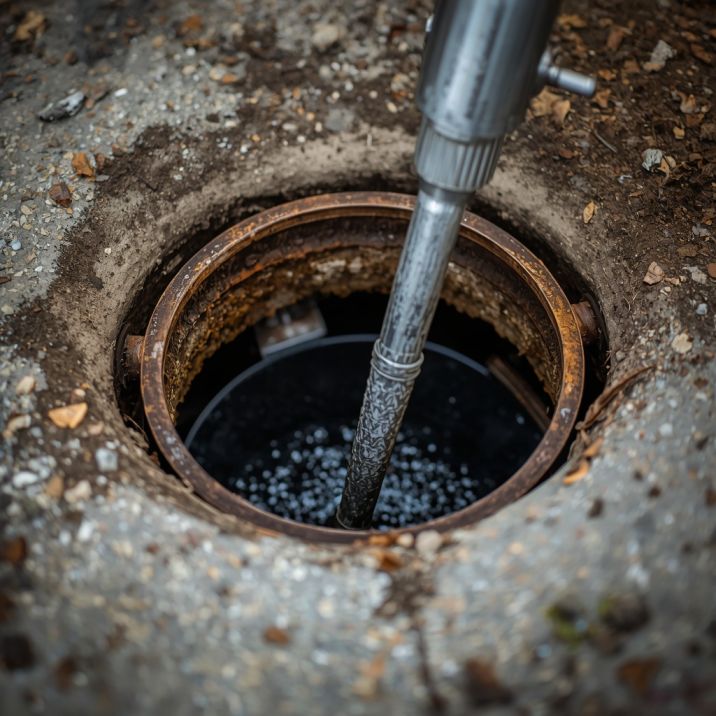
A grease trap is a plumbing device that collects fats, oil, and grease (FOG) from the wastewater before discharging to the public sewer. It’s also known as a grease interceptor or grease arrestor. It’s installed in a commercial kitchen and filters grease from the wastewater. This can reduce the risk of grease becoming hardened in the line and causing blockages, overflows, and costly repairs. The grease trap NSW requirements apply to food businesses that produce FOG as a result of cooking and food preparation.
AS/NZS 3500.2 requires that each commercial kitchen drain should connect to an appropriate grease trap. The Sydney Water Trade Wastewater policy also mandates the installation of an approved grease trap for eligible food businesses as a part of their Trade Waste Agreement. The agreement establishes the size of the trap, its location, and the frequency of the service. However, failure to have a grease trap is a major kitchen compliance violation.
Explore our “what is commercial cleaning” guide to learn cleaning requirements in more detail.
Which Sydney Businesses Are Required to Have a Grease Trap?
The business required grease trap Sydney rules apply to any food business that has a commercial kitchen that generates fats, oils, and grease (FOG). It includes restaurants, cafes, hotels, function centers, food courts, school canteens, hospital kitchens, bakeries with commercial ovens, butcher shops with food processing areas, or any business with floor drains connected to a sewer. Any food preparation or cooking that generates FOG is required to have a grease trap, even for a small suburban cafe.
It is also important for commercial property managers and strata managers to be aware of their responsibilities. If a tenancy involves a food business, the grease trap requirement also applies to them. The building owner may face compliance issues if the new tenant installs kitchen equipment without a proper grease trap. Many property managers combine these inspections with commercial strata cleaning in Sydney to ensure shared facilities are compliant and well maintained.
How Commercial Grease Trap Cleaning (Pump-Out) Works
The licensed waste transport contractor performs the commercial grease trap cleaning process under controlled pump-out procedures. Unlike traditional surface cleaning service, it extracts fats, oils, and grease (FOG) from the grease trap to maintain the system in compliance and operation. The following are the points on how the pump-out process works.
- The licensed waste transport contractor comes on the appointed date under your Sydney Water requirements.
- The contractor removes the lead from the grease trap. If possible, access should be placed outside of the areas of active food preparation, as opening the lid may release toxic sewer gas. AS 4674 also discourages accessing the grease trap within the food preparation areas.
- A vacuum tanker collects all FOG wastewater and solids from the trap.
- The contractor also scratches and examines the inside baffles.
- Clean water is put back into the grease trap for proper functioning.
- The contractor issues a waste transport certificate and scans the Sydney Water barcode to mark the service as completed.
- Lastly, the service reports are delivered to Sydney Water to confirm the scheduled pump-out has been completed.
If the business fails to carry out a scheduled service, Sydney Water will issue them a formal warning and mandate a catch-up service within the allocated time. If the grease trap overflows, you need an emergency pump-out service. An immediate call-out costs around $2000 or more.
How Often Does a Grease Trap Need to Be Cleaned in Sydney?
Sydney Water Trade Waste Agreement provides the grease trap cleaning frequency in Sydney. Sydney Water decides the frequency of pump-out, and the business cannot set its own pump-out schedule. High-volume food businesses like restaurants and hotels need monthly or quarterly pump-out schedules. For medium businesses like cafes and small commercial kitchens, quarterly or bi-annual service is usually necessary. However, smaller businesses may need the service just once or twice a year.
High FOG, undersized grease traps, and busy trading periods are some of the factors that may require a higher frequency. You cannot change your scheduled service frequency unless Sydney Water approves it under your Trade Waste Agreement. Excessive services drive up cost while insufficient services lead to compliance violations.
Commercial Grease Trap Cleaning Cost in Sydney – 2026 Price Guide
The commercial grease trap cleaning cost in Sydney depends on the size of the grease trap. According to 2026 public market data, Sydney service providers charge $0.20 to $0.26 per litre plus GST. Most contracts also have a minimum charge of 1000 litres even if you have less in your grease trap.
Common Sydney market prices for 2026 are:
- 1000 litre grease trap: $225 to $280+ GST.
- 2000 litre grease trap: $400 to $520+ GST.
- 3000 litre grease trap: $600 to $780+ GST.
A few factors can add to the final cost. Access may be difficult, like a basement, rooftop, or access point in the kitchen, which can cost 15 to 30% more as well. An overflowing grease trap or emergency call-out increases the cost to $2000 or more. Prices may also depend on the travel distance to the waste disposal facility.
When it comes to facility maintenance budgets, many businesses use the total commercial cleaning cost in Sydney as a benchmark for their grease trap servicing cost. Contract services typically run 15 to 25% cheaper per visit than off-book visits, as contractors can arrange the service routes.
The above-mentioned figures are based on public Sydney market prices for 2026. Candid Cleaners offer a personalized quote after evaluating the size of your grease trap, site, access, and service needs.
What Happens to Your Sydney Business If You Don’t Comply?
Failure to follow grease trap regulations can lead to legal and financial problems for your food business. The grease trap compliance fine in Sydney is up to $11,000 for businesses whose grease traps are not properly maintained to comply with the Sydney Water Policy on Trade Wastewater. According to Newtown and Bankstown kitchen operators, fats, oils, and grease (FOG) that block a sewer can also result in a repair bill of $5000 to $15,000. An overflowing or poorly maintained grease trap may cause a prompt food safety concern and impact compliance status during a food authority inspection.
Discharging untreated trade waste to the sewer without an approved grease trap is also a breach of AS/NZS 3500.2 and Sydney Water’s trade Wastewater policy. Poor grease trap maintenance can lead to food safety incidents that cause harm to your business reputation and food safety ratings.
Commercial Kitchen Cleaning That Complements Your Grease Trap Programme
A compliant grease trap program contains two critical services. Your Sydney water-licensed contractor finishes the regulator grease trap pump-out. Commercial kitchen cleaning in Sydney ensures the rest of your kitchen remains clean and prevents FOG build-up between pump-out services. It includes cleaning floors, drains, exhaust fans, range hoods, walls, and food preparation equipment where fats, oils, and grease (FOG) pool.
Candid Cleaners offers an ISO 9001-documented cleaning process that supports food safety and prepares the business for food authority inspection. Routine cleaning reduces the FOG accumulation rate, improves the efficiency of your grease trap, and diminishes unnecessary blockages between pump-outs.
Businesses looking for wider commercial cleaning services in Sydney can also explore our commercial carpet cleaning guide. Learning how to clean a commercial kitchen the right way also helps to keep your kitchen environment safer and compliant.
Conclusion
Overall, staying compliant with Sydney water requirements will keep your business safe from fines, emergency repairs, and unnecessary downtime. A consistent pump-out schedule and a well-maintained grease trap are the key elements to fulfill food safety and trade waste obligations. Investing in commercial grease trap cleaning also helps you avoid sewer blockages, improving smooth kitchen operation and reducing compliance risk. Always follow your Trade Waste Agreement and work with a qualified service provider to ensure your commercial kitchen remains safe, efficient, and compliant.
Frequently Asked Questions
Is a grease trap legally required for my Sydney restaurant?
Yes. Under the Sydney Water Policy, all food businesses which produce fats, oils and grease must be fitted with, and maintain, an approved grease trap as part of a Trade Waste Agreement. In NSW, all commercial kitchens must also have a grease trap, according to AS/NZS 3500.2. Not having one may lead to fines of up to $11,000 and to prosecution for disposing of untreated trade waste into the sewer.
How much does commercial grease trap cleaning cost in Sydney?
The typical cost for grease trap cleaning is $0.20 to $0.26 per litre plus GST in Sydney. A 1,000 litre trap usually costs $225 to $280 per service, while a 3,000 litre trap costs around $600 to $780. Most contractors charge a minimum of 1,000 litres. The cost of emergency pump-outs can be upwards of $2,000. Recurring contracts can also be 15-25% less than one-off bookings.
How often does a grease trap need to be cleaned?
Sydney Water determines the cleaning schedule in accordance with your Trade Waste Agreement, and businesses cannot specify their own frequency. Monthly or quarterly pump-outs are typically necessary for high-volume food businesses. Medium-volume kitchens and cafes may require a quarterly or bi-annual service. A formal warning is issued if a scheduled service is missed, and requires a catch-up service to be executed within the agreed-upon time frame.
What is included in a commercial grease trap pump-out service?
The licensed contractor is responsible for pumping out solids and liquids from the grease trap. They use a vacuum tanker, scraping and cleaning the baffle inside the tank, and refilling the trap with fresh water. Then the contractor issues a waste transport certificate, scans the Sydney Water barcode to verify the service. They’ll also typically take photographs of the grease trap before and after the pump-out.
What happens if my grease trap overflows?
The overflow of a grease trap is a serious compliance issue and can cause fats, oils and grease to enter the public sewer, which is not compliant with NSW trade waste regulations. You must arrange an emergency pump-out immediately with a licensed contractor. Emergency callouts generally begin at $2,000 per hour or more after hours. Depending on the incident, Sydney Water and the NSW Environment Protection Authority both may receive notification.
What is commercial grease trap cleaning and why is it required in Sydney?
Commercial grease trap cleaning refers to the routine removal and upkeep of grease traps installed in commercial cooking facilities. A grease trap captures fats, oils, and grease (FOG) before they solidify and cause blockages in the public sewer. Sydney Water policy and AS/NZS 3500.2 will mandate the installation and maintenance of an approved grease trap for all FOG-producing food businesses in Sydney Water. Violations or non-compliance may lead to fines of up to $11,000. A licensed waste transport contractor is required to provide the service on a frequency agreed in the business’s Trade Waste Agreement.
How much does commercial grease trap cleaning cost in Sydney in 2026?
On average, commercial grease trap cleaning in Sydney costs $0.20 to $0.26 per litre, including 2026 market prices. The majority of contractors charge a minimum fee of $225 to $280 for each 1,000-litre grease trap service. The average cost of a 3,000-litre grease trap is $600 to $780 per service. Difficult access, such as a basement, rooftop, or indoor grease trap, may increase the base cost from 15 to 30%. Emergency pump-outs can cost around $2,000 or more. Businesses choose recurring contracts, which typically cost 15–25% less than one-off bookings.
How often does a commercial grease trap need to be cleaned in Sydney?
Sydney Water determines the cleaning frequency under each business’s Trade Waste Agreement. The business owner cannot change or determine the frequency of the cleaning schedule. Busy restaurants and hotel kitchens usually need regular monthly or quarterly pump-out. Smaller commercial kitchens and cafes may need quarterly or bi-annual servicing. Smaller volume facilities may only require annual servicing. Sydney Water will process a formal warning letter if a business misses a scheduled service and will demand a catch-up service within a set time frame. Businesses cannot reduce their scheduled frequency without re-negotiating their Trade Waste Agreement with Sydney Water.
What happens if a Sydney business doesn’t clean its grease trap?
Failure to maintain a grease trap could result in significant legal, financial and operational liability. Sydney Water may enforce a set of penalties of up to $11,000 under its Trade Wastewater Policy. If untreated fats, oils and grease are discharged into the public sewer, the business faces prosecution under NSW trade waste regulations and investigation under the NSW Environment Protection Authority. Immediate pump-out costs $2000 or more. An overflowed grease trap can also result in food safety risk. A kitchen operating with non-compliant or overflowing grease may fail a NSW Food Authority inspection due to food safety issues.
What is the difference between grease trap pump-out and commercial kitchen cleaning?
Grease trap pump-out is a regulated waste transport service, not the same as commercial kitchen cleaning. Under Sydney Water’s Trade Waste Agreement, a licensed waste transport company clears all fats, oils and grease from a grease trap using a vacuum tanker. Commercial kitchen cleaning is a separate service between pump-out services that involves cleaning floors, drains, range hoods, exhaust fans, walls, and food preparation equipment. Both services are necessary to maintain a compliant commercial kitchen. Regular kitchen surface cleaning helps to reduce the rate of FOG accumulation in the trap and maintain food safety standards between scheduled pump-outs.
Keeping a commercial kitchen clean between grease trap services is as important as the pump-out itself. Our ISO 9001-certified commercial cleaning team services restaurant kitchens, food courts, and commercial food facilities across Sydney. [Get a free quote →]
