
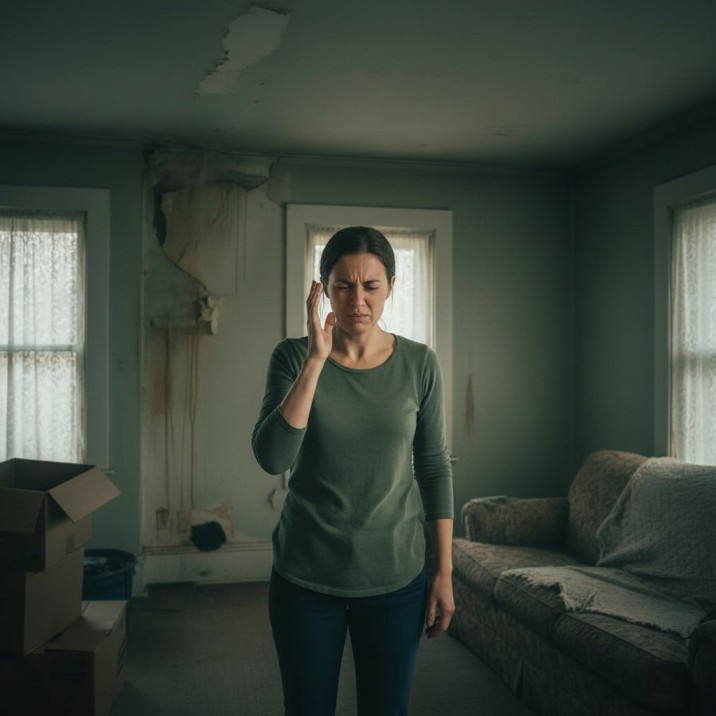
A musty smell in your home is not just an unpleasant odour; it is a diagnostic signal of active microbial growth. Mould and bacteria produce microbial volatile organic compounds (MVOCs) as they decompose organic construction materials and produce that earthy, damp odour. Sydney records almost 120% more mould cases than the Australian average, making the moisture problem common. This guide will help you determine the true cause, fixing the source rather than masking the smell, and when it’s time to call the professional.
Why a Musty Smell in Your Home Is a Warning Sign, Not Just an Odour Problem
Earthy and damp odours indicate active microbial growth and not stale indoor air. Mould and bacteria release microbial volatile organic compounds (MVOCs) as they absorb into plasterboard, timber, carpet, insulation, and other organic building materials. These gases make a similar musty smell. According to Better Health Channel, mould can also produce detectable MVOCs in 24 to 48 hours after materials have become damp before visible mould growth. The smell indicates that the issue will typically occur long before your eyes could see.
The combination of humidity and temperature in Sydney is perfect for microbial growth to continue. The relative humidity level in the summer often increases over 60%. Australia has the highest rate of mould problems, with 120% more than the national average. The Eastern suburbs record mould rates about 547% above the national norm. Many apartments and houses suffer from a lack of subfloor ventilation and draft moisture. These conditions create near-ideal environments for mould growth throughout the year, with activity peaking during the warm, humid summer months. If the smell intensifies during humid weather, the mould colony is growing and producing more MVOCs, not a seasonal normal. NSW Health advises and recommends that the source of moisture be identified and resolved. The removal of the cause of moisture will prevent further growth and improve air quality.
What Does NOT Fix a Musty Smell and Why
If a musty smell persists despite cleaning, it clearly indicates that the problem is not just on the surface. There are common methods to mask the problem.
- Air fresheners and candles hide MVOCs for a short period.
- Painting over mould only covers the stain, but mould continues to grow inside the wall.
- Dehumidifiers reduce humidity in the home but will not solve issues of rising damp, roof leaks, or leaking pipes.
- Opening windows will help to improve the air circulation for a short time. However, it will not reduce existing mould or fix the moisture source.
For the best results, you need to locate the moisture source, repair the problem, and remove the mould completely.
The 7 Most Common Causes of Musty Smell in Sydney Homes
Understanding the causes of musty smell in the home would make it easier to pinpoint the cause and make the right cure. In Sydney, moisture is the most common source that always drives the problem. The section below provides information about its location, how to recognise it, and what to do next.
1. Hidden mould behind walls and in ceiling cavities
Hidden mould in wall cavities and ceiling spaces can emit significant quantities of MVOC as it continues to grow without disturbance. Assess whether the smell is strongest near a wall corner or ceiling, becomes stronger after rain, or appears alongside peeling paint, bubbling wallpaper, or staining. These indications require you to arrange a professional IICRC S520-certified mould remediation inspection.
2. Poor subfloor ventilation
Most old fibro or brick houses and terraces in Sydney inner West and inner south suffer from poor subfloor ventilation. The moisture level of the ground rises into the flooring and wall cavities, particularly in the areas of rising damp. See if the odour remains more concentrated low to the ground or if the floor is slightly spongy. Open up subfloor vents and fix rising damp issues before the mould spreads any further. Pre-1960s homes in Sydney’s inner west have a 60% probability of active rising damp according to Mouldmen Sydney research, significantly higher than newer builds. You can also explore NSW Health ventilation guidance to reduce moisture build-up.
3. Bathroom and laundry moisture (condensation)
Bathrooms and laundries are the most common cause of condensation in many apartments. Indoor air humidity is raised above 60% by shower steam, clothes dried indoors, cooking without an exhaust fan, etc., which promotes microbial proliferation. Look for indications, like ceiling mould staining around the shower or a stronger smell after showering. Use an exhaust fan during and 10 to 15 minutes after. Dry laundry outside with mechanical ventilation and wipe down condensation from tiles and screens.
4. HVAC and ducted air conditioning
When moisture flows through the ducted air conditioner carries contaminated air to all rooms. Look for whether the smell appears as soon as heating or cooling starts and reaches several rooms at the same time. Also, schedule an HVAC inspection and duct cleaning for your home to remove contamination and improve clean airflow. This problem is common in many newer Sydney apartments and houses that have ducted heating systems.
5. Roof or plumbing leaks
Small plumbing leaks or a slowly leaking roof could cause one or more wall cavities and ceiling spaces to stay wet for months. Look out for an increase in the smell of your water after rain, ceiling stains, a water bill increase, or discoloured walls. Fix the leak first, dry the damaged materials, and brush off mould. Microbiological growth will persist until the leak is repaired.
6. Saturated carpet and underlay
Water damage, repeated spells of high humidity, or pet accidents can wet the carpet or create MVOC conditions beneath the surface, which is invisible but smell detectable. Pay attention to the odour that remains strongest at the bottom or if it feels slightly damp in the carpet. You can schedule a professional carpet clean and replace the underlay in case of water damage. Pet accidents can also cause long-term odours, pet accidents also cause persistent odour, see our guide on how to remove pet odour from carpet.
7. Stored materials and clutter
Moisture traps against walls and within enclosed areas in the storage of household items such as cardboard boxes, books, clothing, etc. The small areas of moisture allow MVOCs to grow before any visible mould growth. Check wardrobes, cupboards, and storage areas if the smell becomes stronger when you open them. Maintain routine cleaning, keep a distance between stored items and exterior walls, and use breathable storage rather than cardboard boxes.
How to Find Where the Musty Smell Is Coming From
To locate the musty smell source, walk through the house room by room and note where the smell intensifies. The smell is usually strongest at its source. A concentration near baseboards and floor level suggests subfloor moisture. If the smell is stronger close to the ceiling, it may be a roof leak or mould in the roof space. However, if it smells when the HVAC unit turns on, check the ducted system for contamination.
Inspect enclosed areas including wardrobe covers and storage areas under stairs, as moisture can become trapped there. Observe if the odour intensifies with rain, and this may be a sign of roof or wall penetration. Check for condensation on the windows in the morning as a sign of too much humidity in the building. You can also measure the relative humidity with a digital hygrometer. It’s inexpensive and easily available at hardware shops. If the reading is about 60% in living areas, then it means there is a moisture management issue. Mould that has grown within wall cavities is difficult to detect and needs professional moisture mapping and thermal imaging for the exact location.
How to Fix a Musty Smell Permanently By Cause
Connect each treatment to the cause of the musty smell rather than the smell itself to fix the musty smell permanently. DIY fixes are only effective for surface-level moisture problems. You can fix the moisture problem using an exhaust fan when showering and cooking, wiping condensation off windows and tiles, moving items stored near the exterior walls, and drying laundry outside. These are the basic measures that reduce excess moisture and further microbial growth.
In some cases, the problem needs professional action. Hidden mould growth needs IICRC-certified mould remediation. Poor subfloor ventilation, mouldy HVAC systems, leaks in the roof or plumbing, or rising damp from the structure also need specialist repairs for mould removal to succeed.
After technicians remove the mould and remove the moisture source, professional mould decontamination removes any remaining MVOCs from building materials. Overall, permanent treatment always needs addressing the source first, then treating the mould, and then the decontamination of the remaining residue.
When to Call a Professional, Signs the Problem Is Beyond DIY
A musty smell in your home, professional help is the best way to treat musty odour if it returns within days of cleaning and ventilating. If the smell spreads through multiple rooms, is strongest near a wall, ceiling, or floor, where there is no mould growth, then it indicates hidden moisture damage. Old terrace, fibro, and brick homes in Sydney are also more likely to have hidden mould and rising damp. Arrange a professional inspection if anyone in the property complains of headaches, respiratory problems, or eye irritation. If your property also has lingering smoke odours, our guide on how to get rid of cigarette smell in a house and how long does cigarette smoke smell last in a house will help you resolve the problem effectively.
Conclusion
A musty smell in a home is the result of microbial activity and indicates a moisture issue rather than just a cleaning problem. Sydney’s damp conditions and old homes make mould issues more common than in any other part of Australia. The only way to get permanent relief is to locate the source, dry the moisture, remove the mould, and clean up any leftover smell. For expert diagnosis and remediation, Candid Cleaners can assist you in identifying the source and restoring a healthier indoor environment.
Frequently Asked Questions
Q1. What causes a musty smell in a home?
Mould and bacteria release gases called microbial volatile organic compounds (MVOCs). They digest organic building materials such as timber, plasterboard, carpet, and insulation, causing a musty smell. Sometimes the odour is noticeable before mould can be seen. Most cases occur due to hidden mould, poor subfloor ventilation, or slow roof or plumbing leaks in Sydney.
Q2. Can a musty smell in your home make you sick?
Yes. People with asthma, allergies, or compromised immune systems are susceptible to coughing, wheezing, nasal congestion, and eye irritation due to chronic exposure to MVOCs and indoor mould. NSW Health and the Better Health Channel both identify people with asthma, allergies, and compromised immune systems due to hazardous indoor mould exposure. If occupants experience respiratory issues that improve when you leave the house, you should investigate the source.
Q3. Why does my house smell musty but I can’t see any mould?
Mould can develop in hidden spaces like wall cavities, ceiling spaces under carpet underlay, under floor boards and within ducted HVAC systems. MVOCs (musty smell) are released into the air before it becomes visible. A hidden source in Sydney apartments can impact several rooms without the ventilation system. However, if the odour persists after cleaning and fresh air, book a professional inspection with moisture mapping or thermal imaging.
Q4. Why is the musty smell worse in summer in Sydney?
The warm, humid summer climate of Sydney is conducive to the development of mould and the release of MVOCs. In January and February, relative humidity in coastal suburbs can be 70 to 80%. Warmer temperatures also bring more microbial activity. This is why Sydney homes look manageable but develop a stronger musty smell during summer months. This does not signal new mould; the existing colony is simply more active in the warmth.
Q5. Does a dehumidifier fix a musty smell permanently?
No. A dehumidifier will decrease the level of humidity inside the house and slow down the growth of mould. A dehumidifier reduces indoor humidity and can slow mould growth, but it cannot resolve structural moisture sources, roof leaks, rising damp, leaking pipes, or inadequate subfloor ventilation. A permanent solution includes repair to the moisture source, active mould removal professionally, and professional odour decontamination to get rid of any trace of MVOCs.
Q6. What causes a musty smell in a home?
A musty smell comes from microbial volatile organic compounds MVOCs, which are gases that mould and bacteria release as they eat the organic compounds of plasterboard, timber, carpet underlay, insulation and other organic building materials. These gases can also be detected and often seen before visible growth as a sign of active microbial growth. Typical causes are hidden mould in wall cavities, poor ventilation under subfloor, condensation in bathrooms or laundry areas, slow leaks in roofs or plumbing, and moisture in ducted HVAC systems. Sydney is also experiencing about 120% more mould cases than the rest of Australia, which makes mould problems common.
Q7. How do you permanently fix a musty smell in your home?
There are three key steps to a permanent solution. First, locate and fix the source of moisture. It may be a leak in the roof plumbing, rising damp, poor ventilation, or a lack of ventilation in the bathroom. Then use IICRC S520-certified remediation to remove the active mould, since surface cleaning will not remove the mould inside the structural materials. Finally, professional treatment with a hydroxyl generator or thermal fogging helps you to remove the remaining MVOCs. Air fresheners, candles, and painting over mould only cover the problem but do not resolve it.
Q8. Why is a musty smell in a Sydney home so common?
Sydney has the highest number of issues in Australia, approximately 120% higher than the national average. This percentage of mould is approximately 547% higher than the national average for some areas of the Eastern suburbs. The high level of humidity on the coast regularly during summer exceeds 60-70%, in combination with aging houses, rising dampness, high-density apartments, limited ventilation and periods of heavy rain, provides ideal conditions for mould growth. Up to half of all Australian homes are estimated to have indoor mould, and Sydney’s rates significantly exceed this national figure, making it the most affected capital city in the country.
Q9. Can you smell mould before you can see it?
Yes. When mould starts to grow, it emits microbial volatile organic compounds before visible surface colonies. Mould develops MVOCs typically within 24 to 48 hours of building materials becoming moist, according to Better Health Channel and NSW Health guidance. Mould can grow for weeks or months in wall cavities, ceiling spaces, and under the floor without being visible on the surfaces. In many Sydney homes, your sense of smell provides the earliest indication that moisture and microbial growth need attention.
Q10. What should you do if your house smells musty?
First, walk through your house and see where the smell is strongest, as it will help you to locate the odour source. Look for moisture or mould around windows, under sinks, in wardrobes, around external walls, and in bathrooms. Also, check if the smell increases with heating or cooling, as it indicates HVAC contamination. If you don’t know the source, and the odour persists, then the problem needs professional inspection using moisture mapping or thermal imaging. Do not simply paint over mould. It will not treat the mould nor prevent it from growing.
A persistent musty smell in your home almost always signals active mould, and it won’t go away until the source is treated. Our IICRC S520-certified odour decontamination teams and professional mould remediation teams serve all Sydney suburbs. [Get a free assessment →]
