
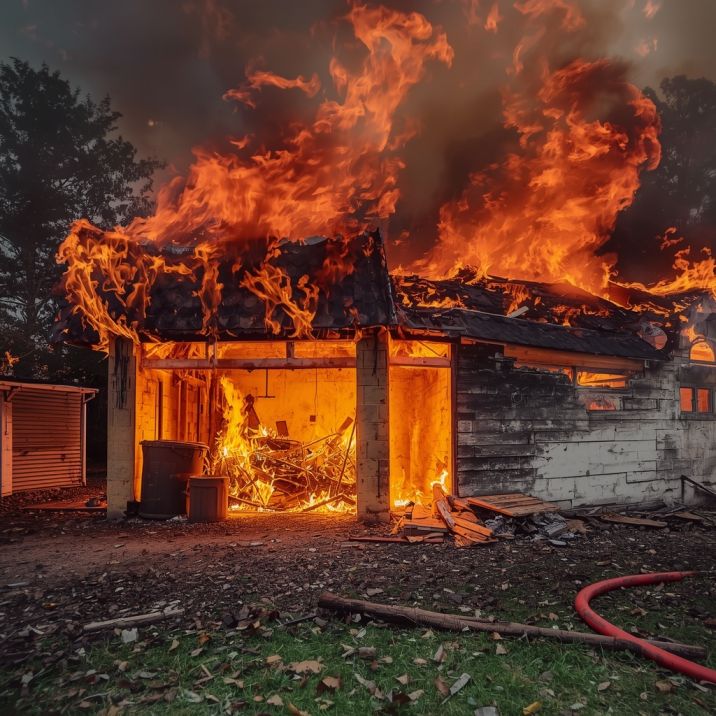
Most Australian home insurance policies will protect against fire damage. But many homeowners don’t realise that the cause of the damage is important. The standard policy does not cover smoke, soot, ash, scorching, or heat damage. They only cover damage from actual fire. So, if you’re asking, does insurance cover fire damage in Australia? The answer will depend on the cause and what type of loss your insurance company deems as loss. This guide covers what insurance companies generally cover, where claims go wrong, and evidence that can assist you in successful claims.
The Flame-vs-Heat Distinction — Why Some Fire Damage Claims Get Rejected
Many homeowners believe that any damage associated with a fire falls under their policy. However, in reality, insurers tend to concentrate on the cause of the damage. Typical home insurance policies will cover damage from a real fire. Usually, this involves direct fire damage and scorching (burning) of insured property.
Heat damage is a common problem without any flame contact. For instance, a candle can melt adjacent plastic or even bend a surface without setting itself on fire. A lot of policies have different rules about that kind of loss and won’t cover it. Similarly, several companies cover smoke, ash, or soot from a nearby house fire or bushfire, even if it does not make contact with your property. Some policies for insurers will pay for smoke damage if there is a fire within a certain distance, like 100m from your house. But remember, each insurance company has its own rules.
The difference lies at the heart of numerous fire damage insurance exclusions in Australia. According to Moneysmart and Choice, a standard definition of the word ‘fire’ does not exist in the insurance industry. Hence, the wording and exclusion of the policy may vary significantly. The Insurance Council of Australia also encourages carefully read insurance policy documents before assuming cover.
Overall, the key message is simple. Always read your Product Disclosure Statement (PDS). Fire cover does not mean the same thing in every policy.
What Is Typically Covered for Fire Damage in Australia
Typically, the fire damage insurance covers when the loss occurs as a result of a typical insured fire. Most policies offer multiple types of coverage, but the actual details and limits of coverage will differ from one insurer to another.
-
Direct fire and flame damage
Typical policies cover damage to the structure and covered contents if the flames actually strike the property. It can involve structural damage, loss of belongings, and repair for fires.
-
Bushfire damage
Most home insurance policies in Australia include cover for bushfire damage. This cover generally includes both building and insured contents.
-
Smoke, ash, and soot damage
Most insurers will include smoke, ash, and soot coverage even if the fire does not reach the property. However, the coverage often depends on the distance requirement, such as 100m, which is common.
-
Firefighting water damage
Policies generally include firefighting water damage during the fire-extinguishing process. Whereas some policies also cover professional smoke odour decontamination.
-
Temporary accommodation
Many policies also provide coverage for Additional Living Expenses. Particularly when the insurer declares your home uninhabitable for occupancy during repair or rebuild.
-
Demolition and debris
After a fire, insurance will typically pay for demolition site cleanup and debris removal before the reconstruction.
This is what most fire damage covered insurance in Australia but the extent of cover always depends on the wording and limits.
What Is Typically NOT Covered for Fire Damage
The fire damage insurance exclusion is typically buried in the details of the wording of the insurance policy. Many claims are rejected because the damage is not considered fire-related.
-
Heat damage without flame contact
Most policies will not cover heat-only damage. It includes the scorching, melting, or electric arcing of wire without any fire starting or spreading.
-
Cigarette burns and similar low-heat damage
Typically, small smoking burns are not covered. Insurers may consider them to be wear rather than a fire event.
-
Intentional fires (arson)
Insurance does not cover deliberate, including self fires. Insurers ask questions before they approve claims.
-
Negligence-related fires
Some fires due to careless behaviour are disputed accidents. Insurers are required to review each case to determine whether the terms of the policy still apply.
-
Bushfires within waiting periods
Insurance policies do not cover bushfire damage if it occurs within 72 hours of the policy’s purchase. This will help to avoid immediate claims on cover.
-
Non-compliant installation
Faulty or unapproved heaters, wiring, or fire systems can void coverage for resulting damage if they breach safety standards.
Exclusions can make or break a claim, even if it appears the damage is significant.
Fire Damage Insurance for Sydney Strata Properties
Strata fire damage insurance in NSW is not like a home policy. According to the Strata Schemes Management Act 2015 (NSW) section 60, the owners’ corporation is required to have building insurance that includes fire coverage for common property and the building. After a fire, this policy will protect shared walls, roofs, lifts, and other common areas.
The insurance and interior fire damage of a strata building are separated into two areas. The owners’ corporation makes a claim to its insurer for the repairs to the structure and the restoration of the common property. Also, each lot owner should have their own contents insurance for the recovery of their personal property and contents.
After a fire, the lot owner should report the damage to the strata manager. The strata manager will usually coordinate the claim process and deal with the insurer on the building’s behalf. But lot owners should separately claim for their own contents insurance for personal belongings. Often, there are conflicts when the tenant or other party claims to be responsible for the fire. Recovery and liability may become complicated, and results vary from case to case.
How to Document a Fire Damage Insurance Claim Correctly
Fire damage claim documentation in Sydney is important since it is what insurers need to establish a clear picture of the losses promptly. Also, take several photos of each room from different angles. Attach a copy of the Fire and Rescue NSW incident report. List all the damaged items, including a realistic replacement cost. Moreover, get a professional assessment report. It not only strengthens your claim but also minimises conflicts.
This is where ISO 9001-compliant restoration processes come into play. Only an IICRC S700 certified restoration company creates a photographic scope of work, damage assessment schedules, and clearance reports for Australian insurers. As a result, many homeowners prefer fire restoration Sydney services to meet these requirements.
Professional and structured fire insurance claims in Australia move faster through the assessment. They are also less prone to dispute than claims solely based on photos and descriptions of the homeowner.
Maintain a record of everything and update as work progresses until final sign-off. Communicate regularly with your insurer and reply promptly when they ask for more information or clarification. This also helps to speed up the approval process.
What to Do If Your Fire Damage Claim Is Disputed or Rejected
When an insurer rejects or reduces a claim, stay organised and act quickly. Disputing a fire damage insurance claim in Australia starts with evidence and clear written communication.
The first step is to ask the insurer for the specific clause they are using for rejection. Ask for it in writing. Secondly, go through the internal dispute process in the insurer. Hence, without this step, there will be no external review. Thirdly, if still unresolved, take it to the Australian Financial Complaints Authority (AFCA) dispute resolution. AFCA offers a free and independent review for consumers.
A professional restoration assessment report can also be helpful. It indicates the cause of damage, whether through fire, heat, smoke, or water. It also strengthens the difference between flame and heat from earlier. Additionally, maintain documentation and respond promptly to requests for additional documentation.
Frequently Asked Questions
Q1: Does home insurance cover smoke damage from a nearby fire in Australia?
It depends on what your policy covers. Most Australian insurers will provide cover for smoke, ash, and soot damage from a fire or bushfire, even if the fire does not damage your home. This insurance cover often only applies if the fire is within a certain distance, commonly 100 metres from the home. However, insurers use different definitions and limits, so always review your product disclosure statement wording for the terms that apply.
Q2: Is heat damage without fire covered by home insurance in Australia?
Usually not. Typically, home insurance in Australia only counts if there is a real fire causing the damage. Often, heat damage that is not a fire, such as scorching, melting, and electrical arcing, is excluded from normal cover. However, some insurers will include accidental damage cover as an optional extra, which could give you wider cover.
Q3: Does strata insurance cover fire damage to my Sydney apartment?
Partially. Strata insurance protects against fire damage to the building structure and common property under the NSW Strata Scheme Management Act 2015. But it does not include personal belongings or contents within your lot. Those items require a separate insurance cover for your contents recovery. So, immediately report fire damage to the strata manager to initiate the building claim process for the owners’ corporation.
Q4: What documentation do I need for a fire damage insurance claim in Australia?
Before cleaning up, most Australian insurers require photographs and videos of all the damage, a Fire and Rescue NSW incident report, and an inventory of damaged contents with estimated values. In addition, they need a professional assessment report to support the claim. IICRC S700 certified restoration companies compile the data and follow ISO 9001 documentation requirements in a structured format to comply with insurance needs and limit delays.
Q5: Can I dispute a rejected fire damage insurance claim in Australia?
Yes. You can dispute a rejected fire damage insurance claim. First, ask for the exact clause in the policy that the insurance company is using to deny the claim. After following the insurer’s internal dispute resolution process. If they can’t resolve the issue, you may bring your complaint to the Australian Financial Complaints Authority for an independent review free of charge. Also, having professional restoration documentation can act as valuable evidence to support you in case of a dispute.
Q6: Does home insurance cover fire damage in Australia?
Fire coverage is included as part of a standard Australian home and contents insurance policy. This typically applies to damage or loss from bushfire to the building or to ensure contents. However, insurance usually needs a real fire to damage the property. But heat damage causes, including scorching and melting, may be excluded from the standard coverage and require separate accidental damage cover. Some insurance protects against smoke, ash, and soot from a fire, but within a certain radius, commonly around 100m. Since there is no standardised definition of fire across the Australian insurers, it’s important to read your product disclosure statement thoroughly.
Q7: What is the difference between fire damage and heat damage for Australian insurance purposes?
Usually, Australian insurers consider fire damage different from heat damage. Fire damage usually involves actual flames and is usually covered under standard home insurance. However, heat damage occurs due to high temperature, causing melting or scorch damage without ignition. Most policies exclude heat damage without flame coverage. Whereas some insurers will provide wider cover under additional optional cover for accidental damage. This difference influences claims outcomes and is among the top reasons insurers frequently use to reject fire-related claims.
Q8: How does strata insurance work for fire damage in NSW apartment buildings?
The NSW Schemes Management Act 2015 required the owner corporation to have building insurance that must cover fire damage to the building and the common property. This insurance covers the common building components, but not personal property contents or some lot owners. Individual owners need separate contents insurance for those items. The owner should inform the strata manager as soon as possible after the fire to commence the process of the building claim. While the owner should also lodge a separate insurance claim for their personal belongings recovery.
Q9: What evidence helps support a fire damage insurance claim in Australia?
The strongest evidence for fire diamond insurance claims includes photos and videos taken immediately after the fire, before the cleanup. Insurers normally require pictures and video footage of the damage, a report from the appropriate fire department, and an inventory of contents with estimated replacement cost. A professional assessment report also increases credibility. Only IICRC S700 restoration companies offer detailed documentation, photos, and the cause of the damage that comply with the insurance provider. Overall, all of this information together can help the insurance company understand the loss much better and minimize disputes or delays.
Q10: Can an Australian homeowner dispute a rejected fire damage insurance claim?
Yes. An Australian homeowner has the right to request the specific policy clause after the fire damage claim rejection. First, ask the insurance company for the specific policy provisions that are relied upon. The next step involves using the insurer’s internal dispute resolution process. However, if the dispute remains unresolved, you can contact the Australian Financial Complaints Authority, which provides free and independent dispute resolution. Professional documentation that clearly distinguishes fire damage from heat damage, along with photographs taken before clean up, provides the strongest evidence in support of a disputed claim. It helps you a lot to strengthen your position in a fire damage insurance dispute.
Disclaimer: This article provides general information only and is not financial or legal advice. Insurance policies vary significantly between insurers, always check your specific product disclosure statement or speak with your insurer or a licensed broker about your individual circumstances.
Whatever your insurer ultimately decides, Candid Cleaners IICRC S700 certified fire restoration Sydney team provides ISO 9001 documented fire damage assessments that support your claim, whether it’s accepted on first lodgement or under dispute. [Get a free assessment →]
