
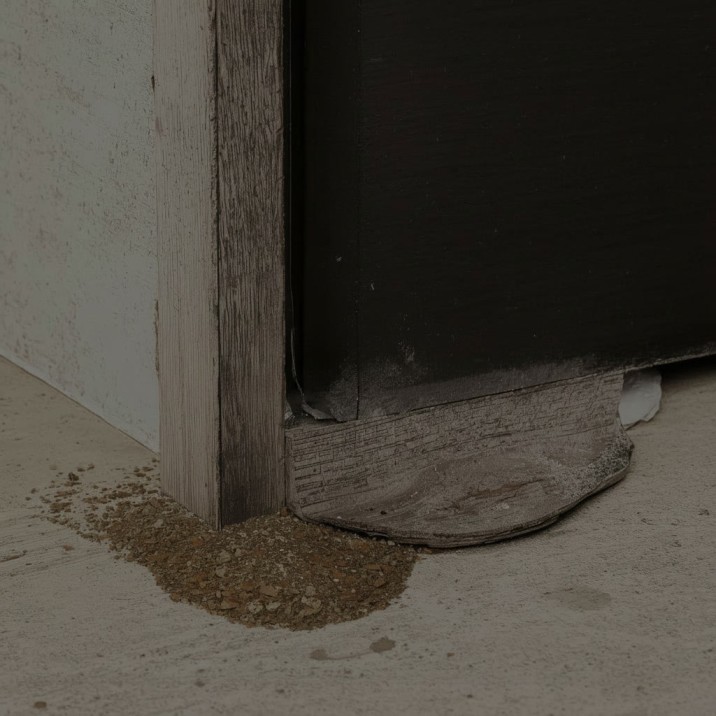
The clock starts as soon as water enters your home. Each minute, moisture penetrates into the flooring, walls, and insulation, causing greater damage and restoration expenses. However, knowing what to do after water damage helps you minimise loss, protect your property, and reduce mould growth before it gets worse.
This guide will focus on the first 24 hours after the flood-damaged home in Sydney. These are the steps you should take immediately to make the area safe, shut off the water source, assess damage, and begin drying. Also, the rapid response during this crucial time has a huge impact on the severity of the damage and recovery efforts.
Step 1 — Safety Before Anything Else
Safety is the priority before cleanup. Water damage can create electrical, gas, and structural hazards that are not apparent. Hence, performing basic precautions for flood safety at home in Sydney helps you prevent serious injuries.
Electricity
If power is on, do not enter a flooded room. Also, turn off the electricity if you can get to the switchboard without touching water. Otherwise, wait for a qualified professional.
Gas
Shut off the gas supply if water has touched gas appliances. Also, avoid using appliances until they are checked.
Structural Safety
Do not use rooms with soft floors, cracked walls, and sagging ceilings. These can be a sign of structural damage. On the other hand, for emergency storm damage and flood assistance in NSW, call the SES (Service) on 132 500 for help. Also, do not try to clean up Category 3 water damage (sewage-contaminated) water yourself because it contains harmful contaminants and needs professional cleaning.
Step 2 — Stop the Water Source
After the area is safe, it’s time to minimise water damage. You should locate and stop water damage spreading. The longer the water stays in it, the more damage it’ll cause.
Identify and Stop the Source
If the damage has resulted from a home’s plumbing system, turn off the main water valve.
Burst Pipe
A burst pipe water damage Sydney can cause lots of water to flow in just a few minutes. Turn off the water and call a licensed plumber right away.
Roof Leak
Set out buckets and containers to catch water leaks where present. Avoid climbing on the roof in rainy or extreme weather conditions.
Appliance Failure
If a washing machine, dishwasher, or hot water system has broken, turn off the main source before touching any water near the appliance.
Step 3 — Document Everything for Your Insurance Claim
Thoroughly record all damage before moving furniture and removing contents of the beginning cleanup. Keeping correct records can also help with the water damage insurance claim in Sydney.
Use clear pictures of each affected room, taken from several angles. Take photos of water lines, broken walls, floors, ceilings, furniture, and personal items. Moreover, a video inspection of the property helps to reveal the extent of the damage.
Also, create a list of affected articles with descriptions, estimated values, date of purchase, and receipts if available. These details help your insurance company to determine losses, making it less complicated.
Do not discard damaged items unless they are a hazard to health or safety. Insurers may require surveying the affected contents before granting the claim. Also, notify your insurance company within 24 hours of the incident and start the claim for water damage insurance in Australia. The Insurance Council of Australia also advises maintaining records and evidence to substantiate an insurance claim.
Step 4 — Reduce Damage While Waiting for Help
Until professionals arrive, keep in mind basic steps that reduce water damage to your home without risking your safety. Overall, what to do after water damage mainly focuses on preventing the spread and slowing the deterioration until suitable cleanup measures can be taken.
CAN do
Lift undamaged furniture, electronics, and valuables to drive places. Remove rugs from damp surfaces to avoid staining and moisture. When the weather is fine, you can also open windows to ventilate and dehumidify.
CANNOT do
A standard household vacuum will not be safe for standing water and may create electrical hazards. Do not use fans or air circulation equipment when there is sewage contamination. However, avoid turning on the air conditioning, as it can circulate moisture and mould spores.
Keep in mind that mould after water damage can start growing within 24 to 48 hours, so time is important. For more details regarding early mould risks, check out our mould remediation before things get out of your hands.
Step 5 — Call a Professional Water Damage Restoration Team
After the immediate risk has been controlled, call the professionals to avoid long-term damage and mould growth. With a qualified team of IICRC S500 emergency water damage restoration in Sydney, your property can be easily assessed and controlled drying before things get worse.
Why professional
Specialists use professional IICRC S500 water damage standards to guide the structural drying. They perform moisture mapping that identifies moisture within walls, floors, and roofs that cannot be seen on the exterior. As a result, there is no moisture left behind. The drying process is then completed to proven objectives of preserving both structure and the insurance process. Many providers also follow ISO 9001 documentation practices, which helps to maintain clear records for insurers and claims.
What happens when you call
A professional water damage odour decontamination service offers same-day inspection. They perform moisture readings, install drying equipment like air movers and dehumidifiers, and start structural drying in Sydney quickly. In addition, all documentation is maintained throughout the process. Most services, including water extraction in Sydney, are available 24/7, so there is help no matter when the water damage happens.
What Happens If You Wait — The Cost of Delay
Once water damage gets worse, delays occur, and the situation turns from repairable to destructive. In the first hours, water starts soaking into drywall and soft furnishings. Structural materials start to swell, warp, and weaken within one to 24 hours. After 24 to 48 hours, the conditions become ideal for mould growth. However, after 48 to 72 hours, mould will be visible on surfaces and proliferate throughout the house. After one week or more, many materials will no longer respond and must be replaced.
Hence, a quick professional response within the first 24 hours ensures saving the structure and contents rather than replacement. These early actions will also save your time, money, and minimise recovery efforts.
Frequently Asked Questions
Q1: Is it safe to stay in my home after water damage?
It depends on the extent of the damage and the water source. If it is clean water in a contained area, you can stay with good ventilation and careful monitoring. Evacuation is required when sewage-contaminated water exists. However, if you see sagging ceilings, soft floors, or electrical exposure, leave immediately and call emergency services. If at any point you’re unsure, you should seek professional help.
Q2: How long does water damage restoration take in Sydney?
The typical time for Category 1 water damage restoration in a home is 3 to 5 days. It can take 7 to 10 days if it is more severe, such as a structural problem or category 3 contamination. However, we provide a clear timeline after the initial moisture assessment. Our team also ensures drying equipment remains on-site until the IICRC S500 drying goals have been met based on daily moisture readings.
Q3: Will my home insurance cover water damage in Australia?
Most policies will cover sudden and accidental water claims, such as those caused by burst pipes, appliance failures, and storm flooding. Typical leakages and poor maintenance are generally not included. You should reach out to the insurance company within 24 hours of water damage. Do not throw away damaged objects, and take pictures of everything before cleanup.
Q4: What is the 24–48 hour mould rule after water damage?
Mould can start growing within 24 to 48 hours when it is warm and humid. This can happen more quickly in Sydney’s humid conditions. Professional drying with documented targets during this time frame can prevent the growth of mould. After 48 hours, restoration and mould remediation are both required.
Q5: Can I dry out water damage myself without professional help?
Sometimes the spills of small amounts of clean water can be mopped up and ventilated with towels and fans on hard floors. However, moisture mapping and professional equipment are needed to verify complete drying once water is in walls, ceilings, and subfloors. Otherwise, hidden water and moisture sources cause damage, and mould becomes more costly to repair.
Q6: What should you do immediately after water damage in an Australian home?
The first thing to do is to ensure safety. If it is safe to do so, unplug the electricity from the switchboard, turn off the water supply, and evacuate the house if it is structurally unsafe and contains sewage. Also, document with photos and videos all the damage before any cleanup. Notify your insurance company within 24 hours and coordinate with your IICRC S500 certified restoration company for the same-day assessment. Moreover, avoid using household vacuums or fans near contaminated water, and do not discard damaged items before insurer review.
Q7: How quickly does water damage get worse if untreated?
If not treated immediately, water leaks in NSW homes can quickly get out of hand. Moisture penetrates drywall, insulation, carpet padding, and wood subfloor within one hour. After 24 hours, these materials start to swell, warp, and break down. After 24 to 48 hours, the conditions become ideal for more growth. However, after 48 to 74 hours, mould starts to appear on the surfaces. Restoration is generally impossible after one week, and full replacement of the damaged part is needed. Quick professional help is also significantly less costly than delaying a response.
Q8: What is Category 3 water damage, and why is it dangerous in Sydney homes?
Category 3 water damage refers to sewage, floodwater, and biohazard damage, that are also known as black water. It is also laced with potentially dangerous bacteria and toxins. It is commonly experienced when floodwaters rise in low-lying areas during severe storm events or sewer backups in Sydney and NSW. However, immediate evacuation and trained professionals following ISO 45001 safety procedures are required. But do not attempt to clean category 3 water.
Q9: How does water damage documentation help with insurance claims in Australia?
Documentation plays a vital role in insurance claims in Australia. Before the cleanup, we recommend taking clear pictures and videos of all the affected areas. Insurers also need a comprehensive inventory of contents, including their values and damage proof. Candid Cleaner’s ISO 9001 company provides reports that include moisture readings, drying logs, and scope of work, which help to avoid claim delays and disputes. However, people often dispose of damaged items before assessment, which can reduce and deny claims.
Q10: What is the IICRC S500 standard, and why does it matter for water damage restoration?
Restoration professionals throughout Sydney and NSW follow the internationally accepted IICRC S500 standard for water damage restoration. It outlines the assessment of moisture levels, extraction of water, drying structures, and verification of results. This standard also helps to identify and eliminate hidden moisture within walls, floors, and ceilings. Additionally, Restoration companies following S500 produce documented records that will aid in insurance claims and help to prevent long-term problems such as mould or structural damage. In contrast, companies not following S500 may remove visible damage but cannot identify or fix the hidden moisture problem, which encourages ongoing mould issues in the future.
If your Sydney property has experienced water damage, our IICRC S500-certified team provides water damage restoration in Sydney with 24/7 emergency response — same-day assessment, moisture mapping, and structural drying. [Get emergency help →]
